How to Store Sneakers Long Term (So They Don't Age in the Box)
Sneakers age even when nobody wears them. Midsoles yellow, foam dries out and crumbles, leather stiffens, glue lets go. You can't stop the chemistry entirely, but bad storage accelerates it dramatically — and good storage costs almost nothing. Here's the routine for pairs you're keeping months or years.
The five rules
1. Store them clean and completely dry.
Dirt and body oils keep reacting with materials in the box. Skin flakes and sweat feed mold. Clean the pair properly, then let it air-dry a full day before boxing — trapped moisture is the single biggest storage killer.
2. Stuff them.
Shoe trees for leather pairs, or acid-free paper for everything else, keep the toe box and upper from collapsing into set creases. Avoid newspaper directly against the shoe — ink transfers onto light materials.
3. Cool, dry, and dark — pick the room accordingly.
Heat accelerates yellowing and glue failure; humidity grows mold; UV light fades color and bleaches midsoles unevenly. That rules out garages, attics, bathrooms, sunny shelves, and car trunks. A closet inside the living space is nearly always the right answer.
4. Keep air moving occasionally.
Sealed airtight for years, sneakers stew in their own outgassing. Once every few months, open the box, check for trouble, and let the pair breathe an hour. It's also your early-warning system — hydrolysis or mold caught early is manageable.
5. Rotate wear if you can.
Foam midsoles actually survive better with occasional gentle wear than in absolute stasis — compression and release keeps the structure from settling. A pair you love and wear a few times a year usually outlasts an identical pair entombed for a decade.
Box, bag, or shelf?
- Original box + tissue is genuinely good: dark, breathable, stackable. Punch no holes; the box already breathes.
- Clear plastic drop-front boxes are fine if the room is dark and dry — the visibility that makes them nice also lets UV in.
- Open shelves work for the active rotation, not long-term storage: dust and light age display pairs fastest.
- Zip-sealed bags with the air pressed out slow oxidation for true multi-year vaulting, but only for bone-dry shoes — sealed moisture is a mold incubator. Add a silica gel packet.
Special cases
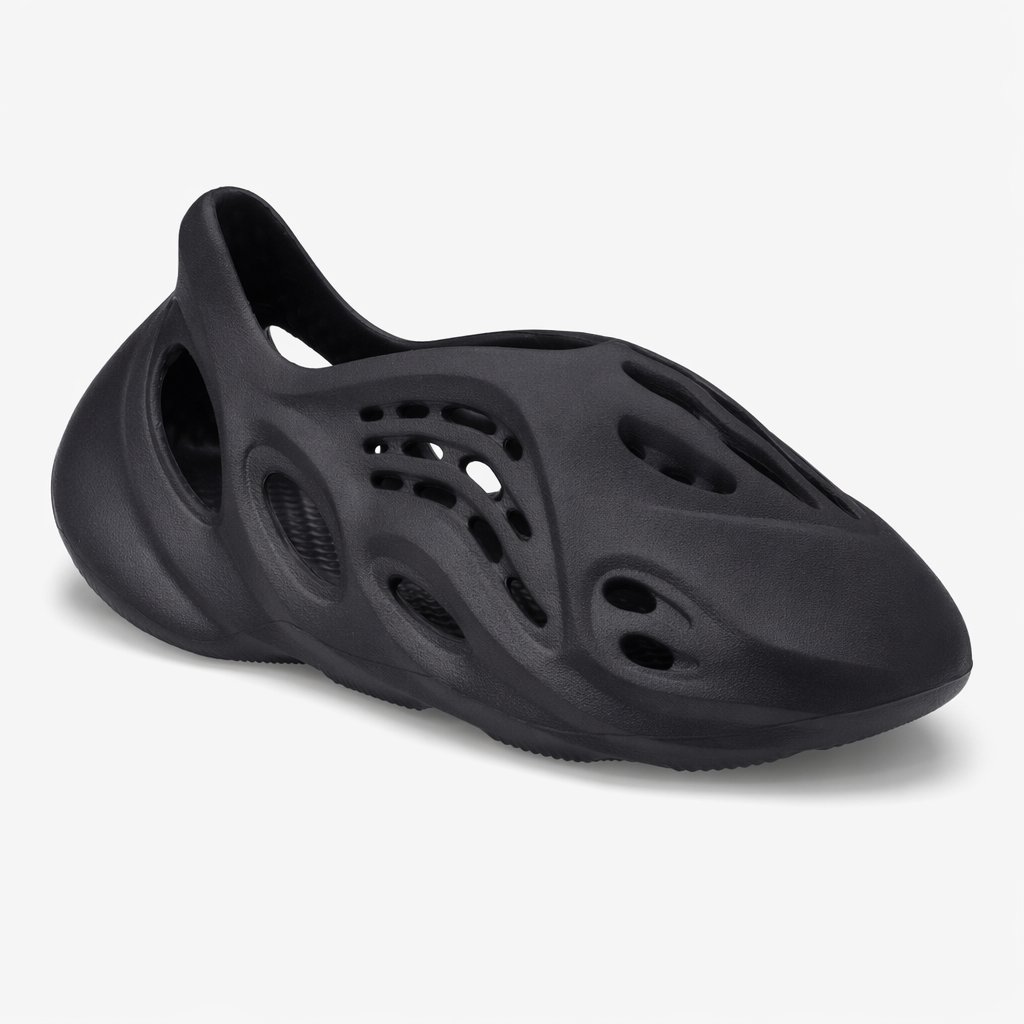
- Foam clogs and slides: dodge heat above all — foam warps and there's no upper to hide it. Otherwise nearly indestructible in storage.
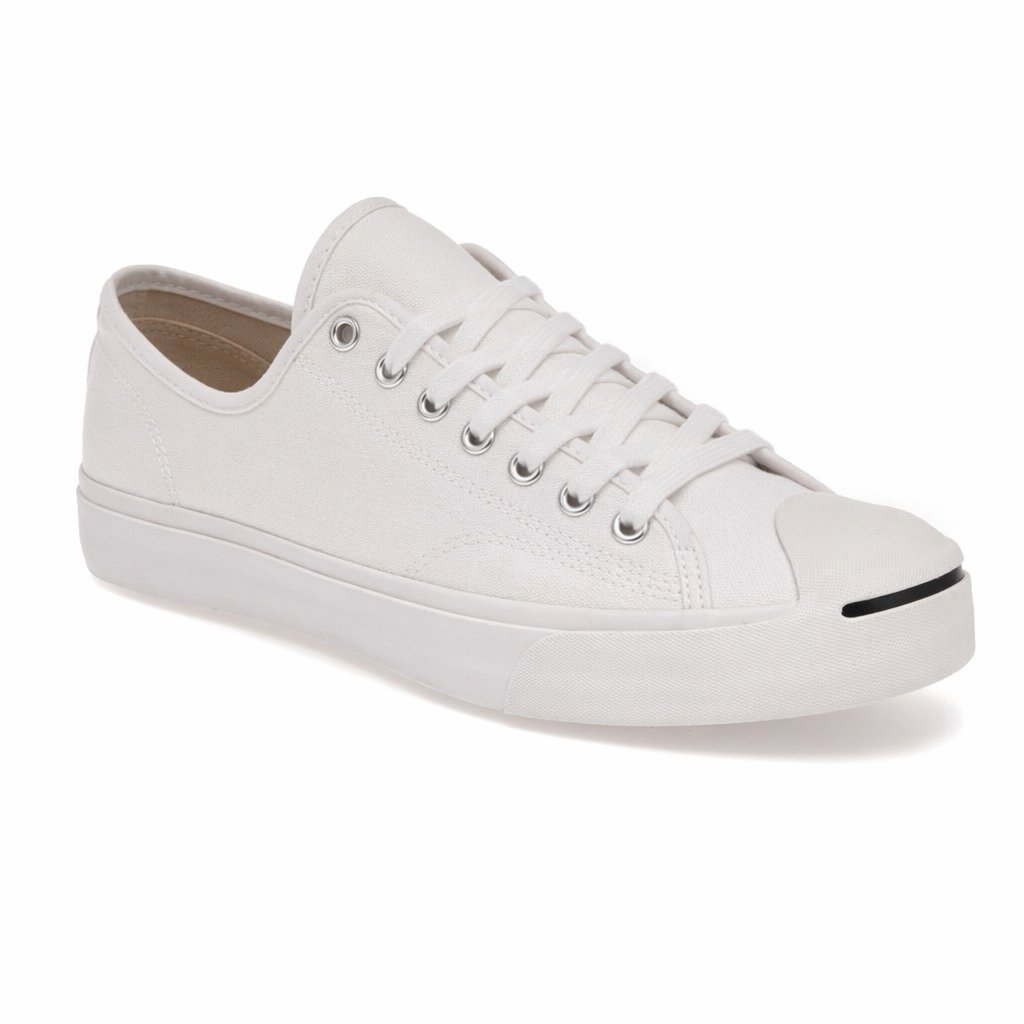
- Canvas: wash before storing (guide here); starch-like soil residues yellow with time.
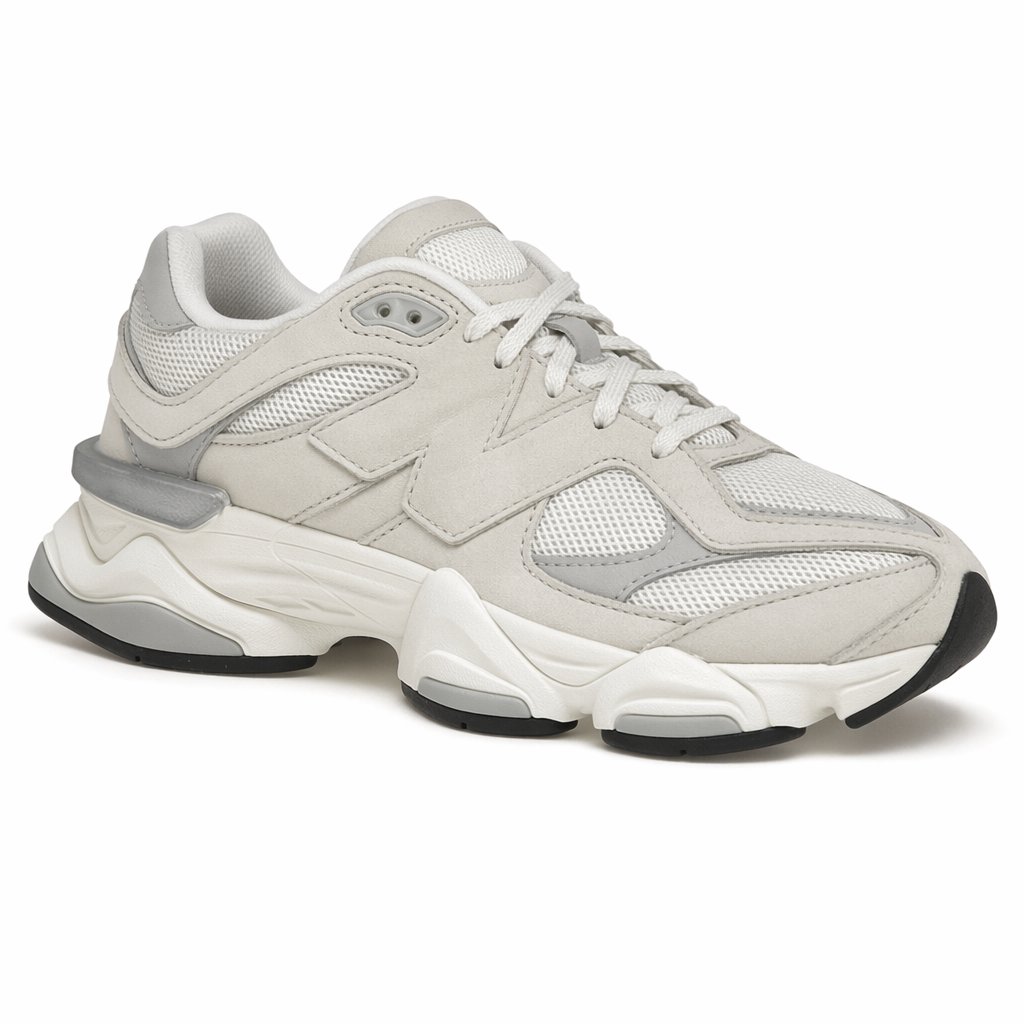
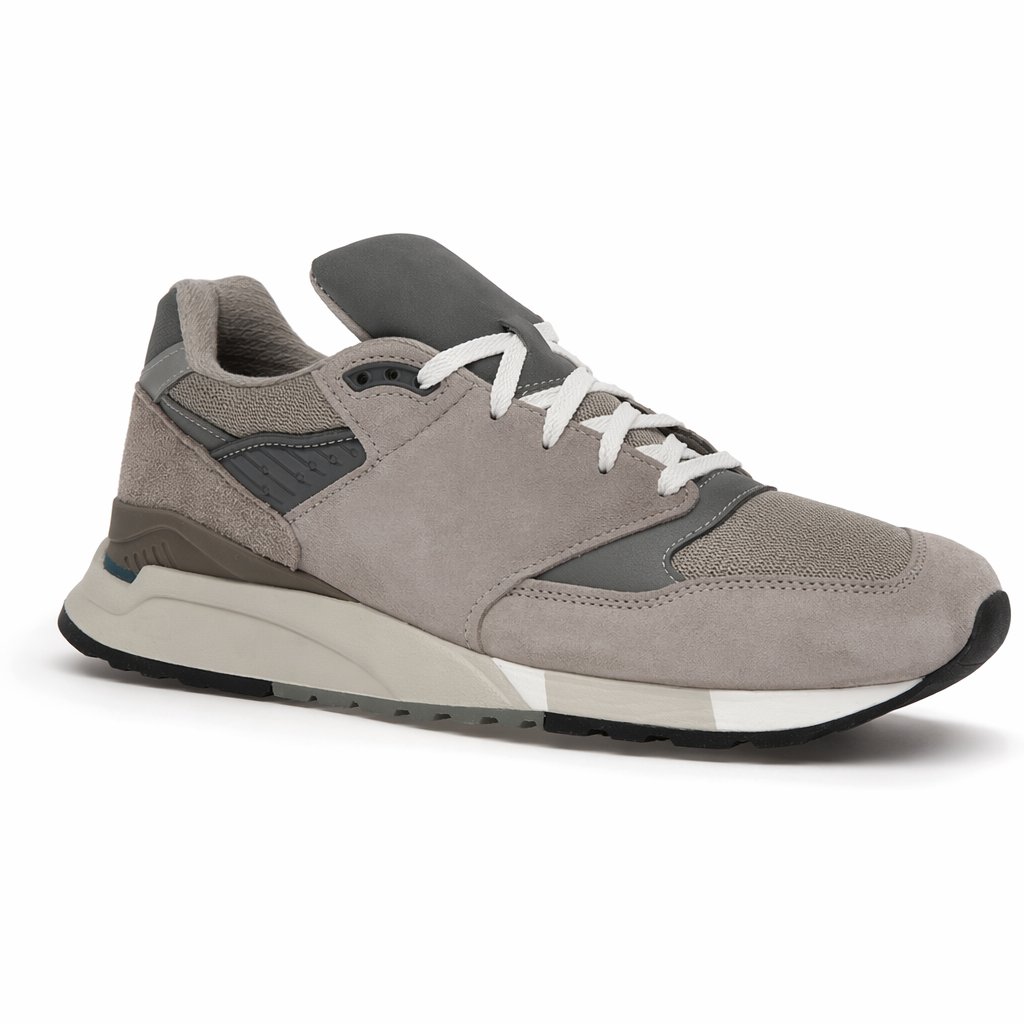
- Suede and leather: condition leather lightly, brush suede, always use trees or stuffing — set creases in dried-out leather are permanent. Cleaning method matters: see how to clean suede sneakers.
What decay is normal anyway
Polyurethane midsoles hydrolyze — chemically, with time, regardless of storage. If a long-stored pair's midsole crumbles on first wear, that was baked in years earlier; storage only sets the speed. White rubber yellows slowly no matter what. The goal of good storage is buying years, not immortality.
FAQ
How do you keep sneakers from yellowing in storage?
Store them clean, fully dry, and away from heat and UV light. Yellowing is oxidation — darkness and cool temperatures slow it dramatically.
Should I store sneakers in their original box?
Yes, it's one of the best options: dark, breathable, and stackable. Add paper stuffing to hold the shape and a silica packet if your climate is humid.
Is it bad to never wear stored sneakers?
Slightly, yes — foam midsoles age better with occasional gentle wear, and a worn pair gets inspected, which catches problems early. If a pair matters to you, wear it a few times a year.
Should I use silica gel packets with stored shoes?
In humid climates or sealed containers, yes — one or two packets per box, replaced or re-dried yearly. In a dry interior closet with a breathable box they're optional.