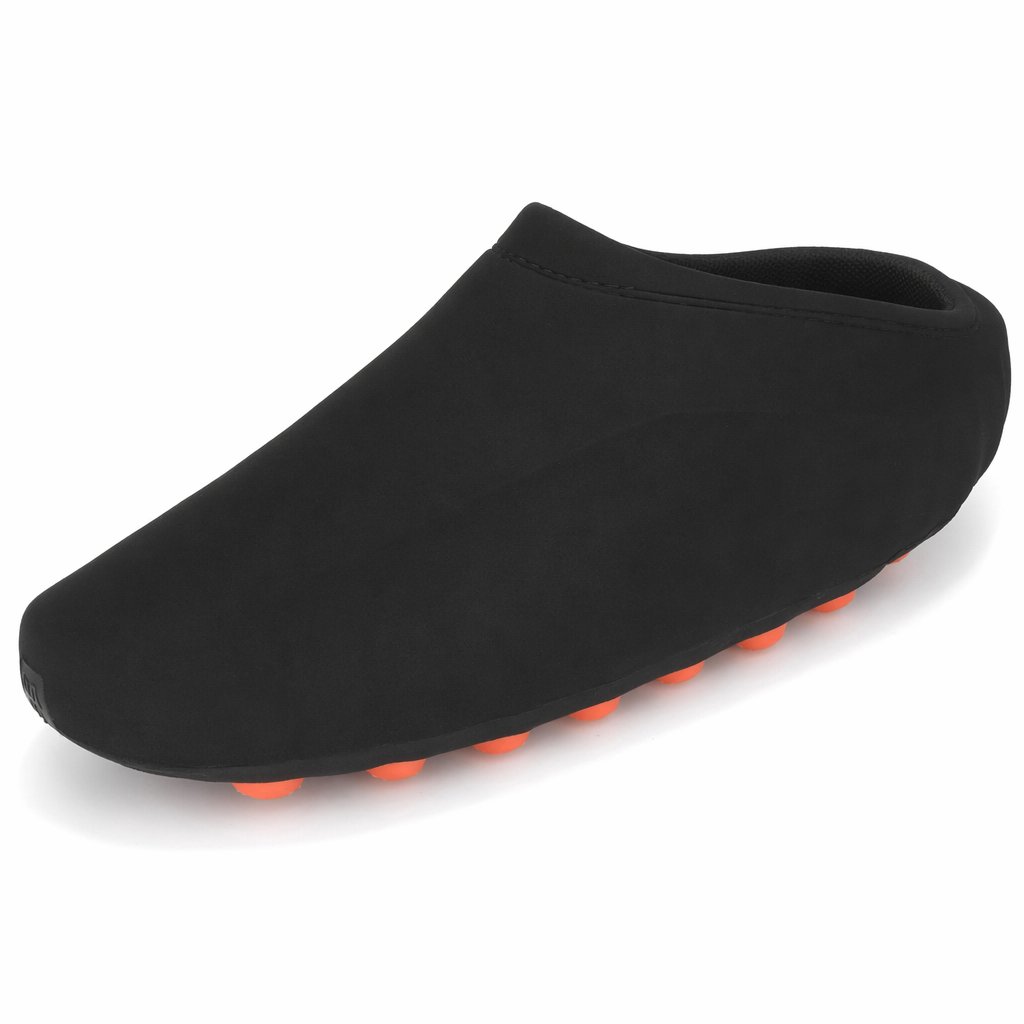
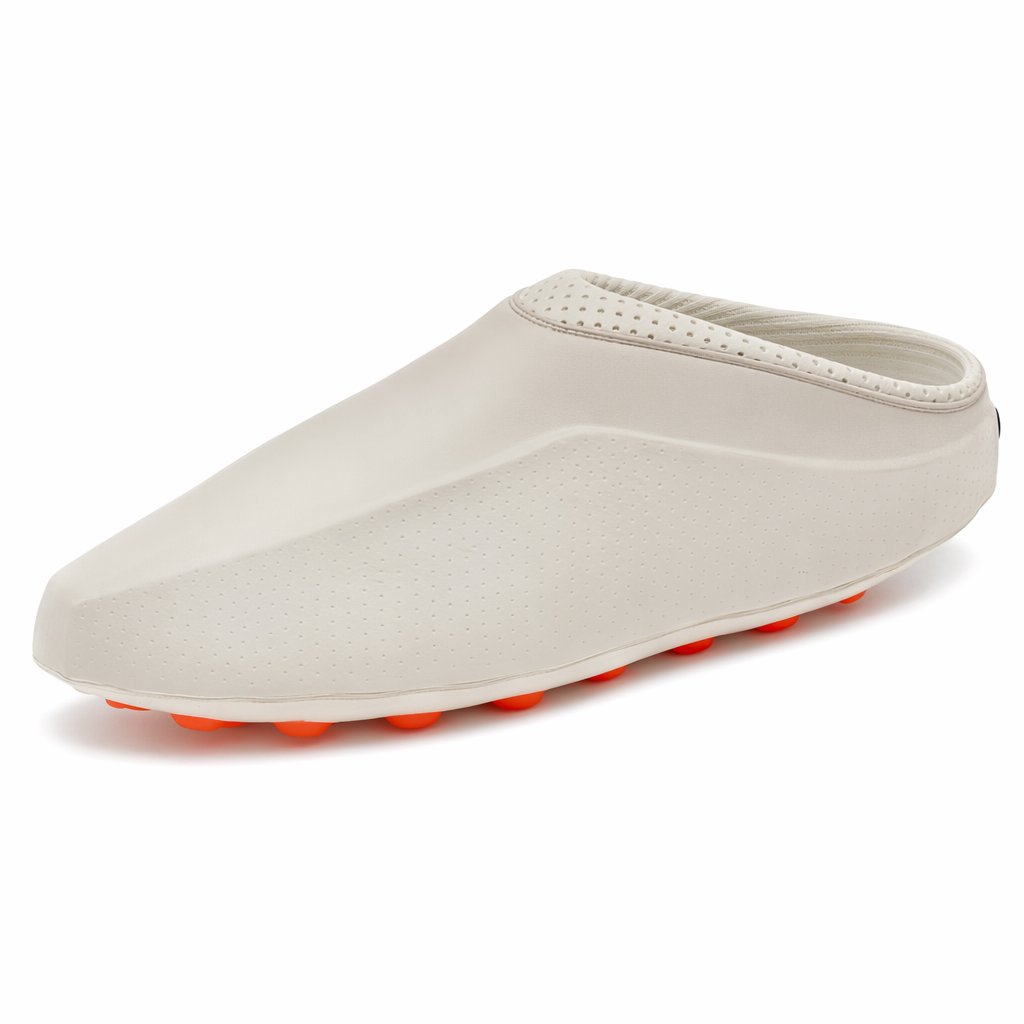
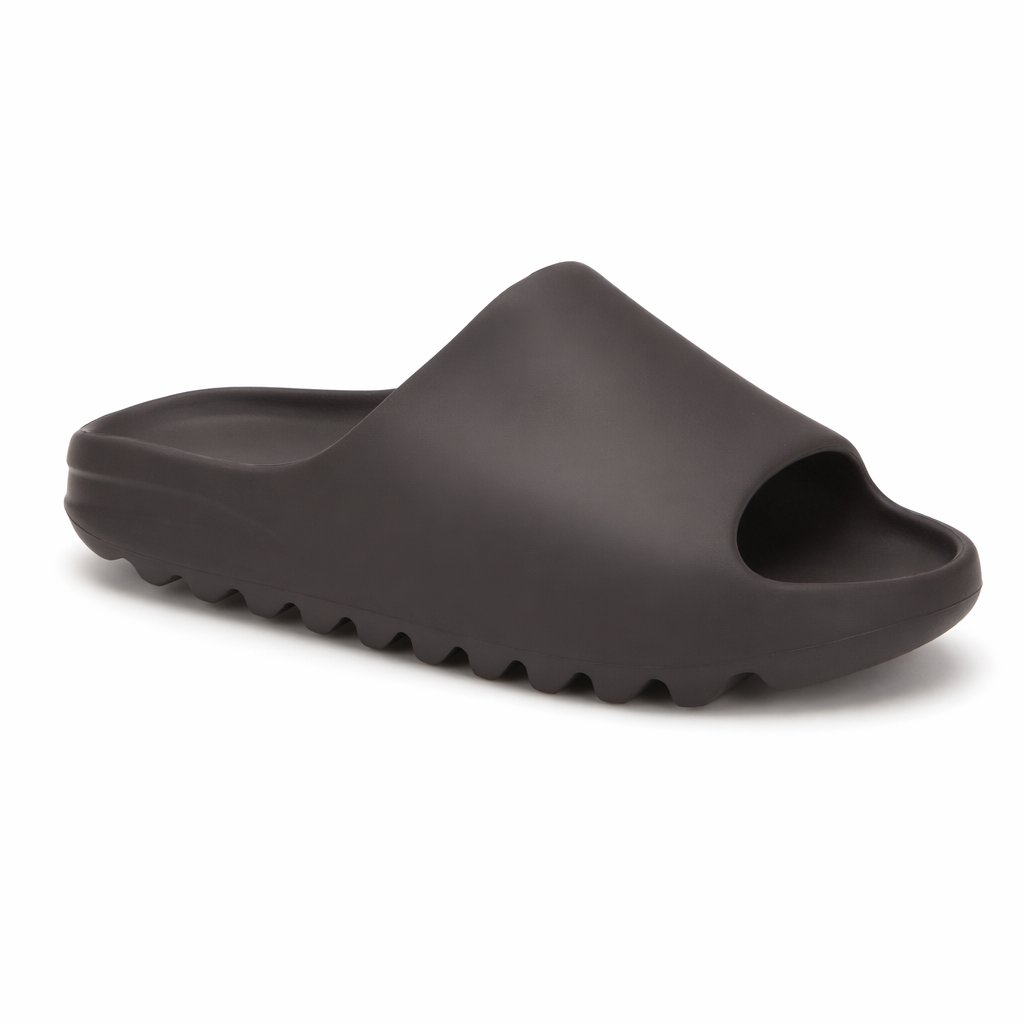
Recovery Slides Benefits: What They Actually Do (and Don't)
Recovery slides are the thick-soled foam sandals runners put on after a long session. The marketing says they "speed up recovery." The honest version: they don't repair muscle, but they do remove a real source of discomfort — and that's worth something. Here's what you actually get.
What recovery slides do well
- They unload your feet after effort. After a run, a workout, or a shift on your feet, your arches and forefoot are tender. A soft, contoured foam footbed spreads pressure across the whole sole instead of concentrating it on the heel and ball. The relief is immediate and real.
- They let swollen feet spread out. Feet swell after long activity. An open slide with a generous strap doesn't fight that the way a laced shoe does.
- They keep you out of "second shift" shoes. The worst thing after a hard session is putting tired feet back into stiff sneakers to walk the dog or make dinner. Slides fill that gap with basically zero effort.
- Zero maintenance. One-piece molded foam rinses clean and dries fast, so they double as pool and shower footwear.
What they don't do
- They don't speed up muscle recovery. No sandal shortens DOMS or repairs tissue. The benefit is comfort and pressure relief while you recover, not faster recovery itself.
- They're not arch-support orthotics. The contour is comfort-shaped, not corrective. If you have plantar fasciitis or a diagnosed arch problem, read our slides for plantar fasciitis guide — the requirements are more specific.
- They're not walking shoes. Soft foam is less stable on long distances and uneven ground. For all-day walking, a structured sneaker still wins — see best sneakers for all-day walking.
When they earn their keep
The people who get the most from recovery slides are the ones with a repeating pattern of foot fatigue: runners logging regular mileage, gym-goers who finish leg day with sore feet, nurses and retail staff coming off long shifts, and travelers after a full day of sightseeing. If your feet regularly end the day tired, a soft slide waiting by the door is a small upgrade you'll use daily.
If you'd wear them twice a month, save the money — any comfortable sandal will do.
Choosing a pair
- Footbed depth: a deeper cradle holds your foot in place; a flat soft slab feels good for a minute and unstable after ten.
- Strap width: wider straps spread pressure over the top of the foot. Thin straps can dig once feet swell.
- Sizing: molded foam slides usually run slightly large and come in whole sizes. If you're a half size, go down. More detail in do slides run big or small.
FAQ
Are recovery slides actually worth it?
If your feet are regularly tired from running, training, or standing all day — yes, they remove real discomfort for little money. If you'd only wear them occasionally, an ordinary comfortable sandal does the same job.
Do recovery slides help plantar fasciitis?
They can feel better than walking barefoot on hard floors, but they're not a treatment and most aren't corrective. For plantar fasciitis, look for firmer arch support and follow medical advice.
Can you wear recovery slides all day?
You can, but they're at their best in short stints — after activity, around the house, short errands. Soft unstructured foam isn't ideal for long walks or uneven ground.
What's the difference between recovery slides and regular slides?
Recovery slides use thicker, softer foam with a contoured footbed designed to spread pressure. Regular slides are usually flatter and firmer. The line has blurred — most "cloud slides" today are recovery-style foam.