Best Sneakers for All-Day Walking: What Actually Matters
Plenty of sneakers feel great for the first hour. The question is hour six. Shoes that survive a full day on your feet share a few structural traits — and most of them have nothing to do with how soft the sole feels in the store. Here's what to look for, and which styles deliver it.
The four things that decide all-day comfort
- Midsole with structure, not just softness. Pure-soft foam feels amazing for twenty minutes, then your stabilizing muscles spend the rest of the day fighting the wobble. The best walking midsoles pair a soft top layer with a firmer carrier — cushioned landing, stable push-off.
- A wide, flat base. More outsole touching the ground means less work keeping your ankle neutral. This is why chunky retro runners walk better than narrow racing silhouettes.
- Heel hold. A padded collar and firm heel counter stop the micro-slipping that turns into blisters at step eight thousand.
- Room in the toe box. Feet swell over a day — measurably. A toe box you can spread your toes in at 9 am is one that still fits at 6 pm.
Why retro runners are the sweet spot
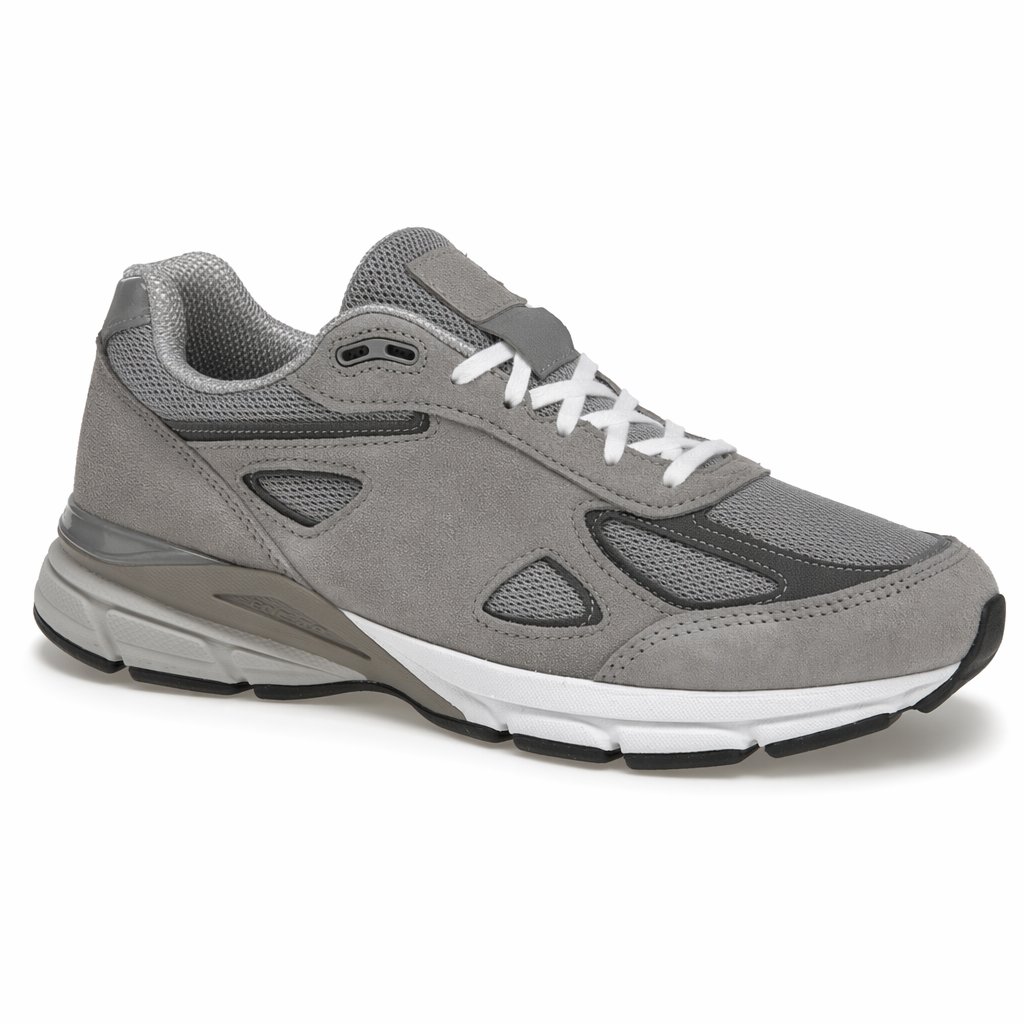
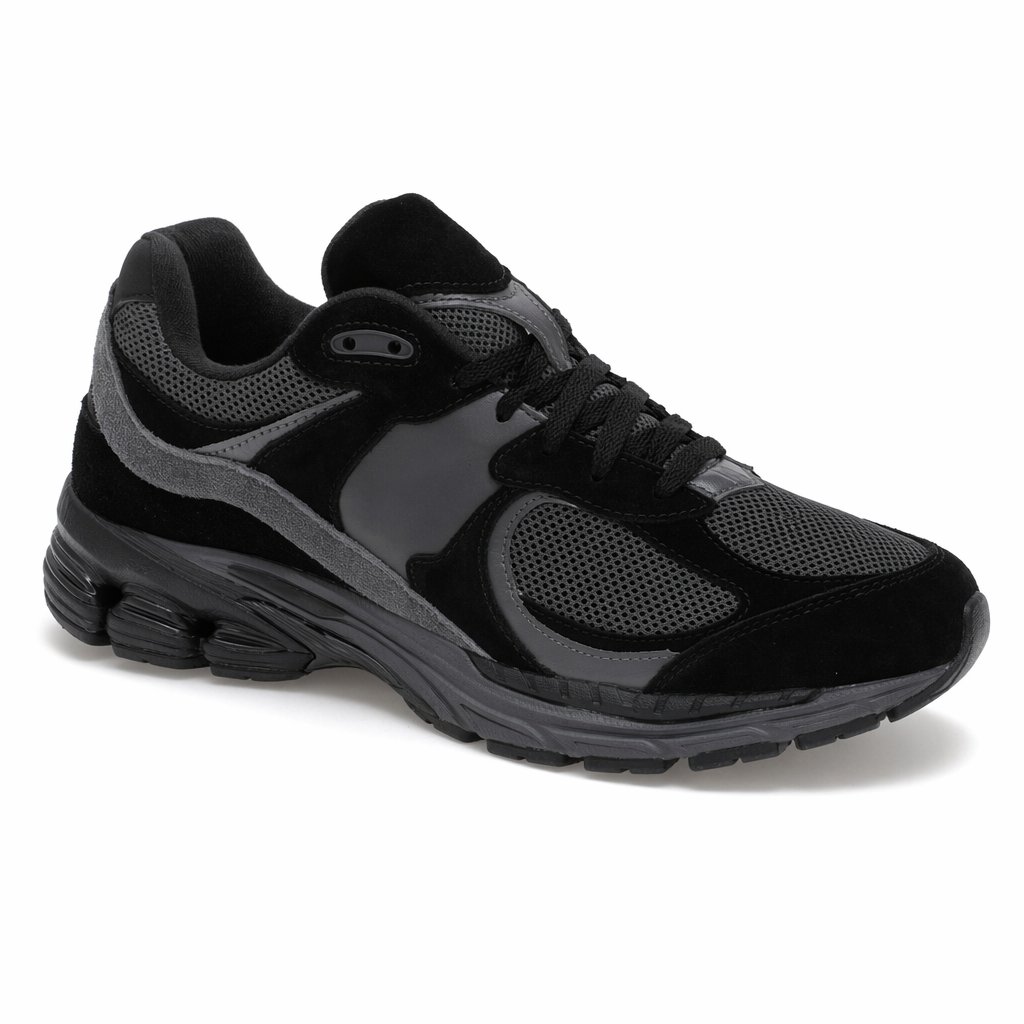
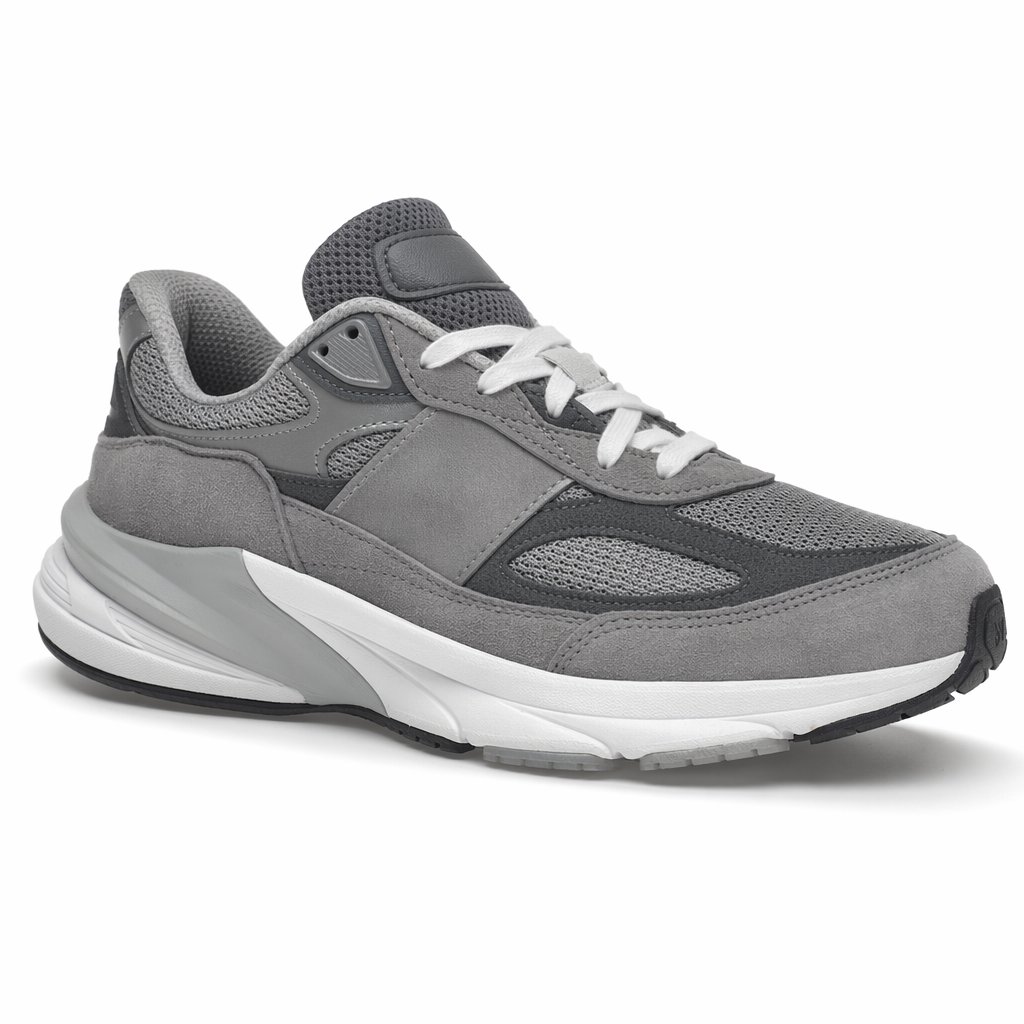
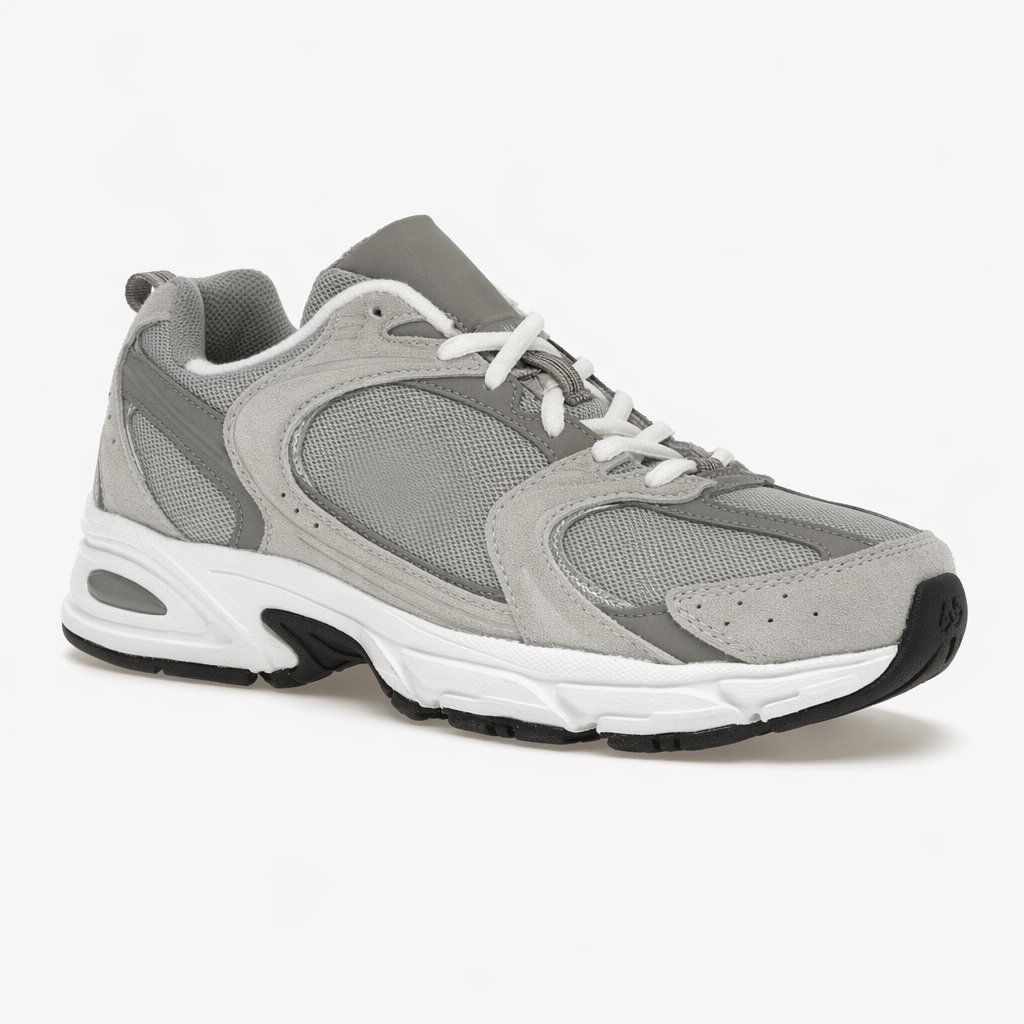
Retro runners were designed as actual running shoes for an era when running shoes were built for daily mileage, not race day. That heritage — thick dual-density midsoles, supportive suede-and-mesh uppers, wide stable bases — is exactly the all-day-walking checklist. Modern lifestyle versions keep the geometry with updated cushioning, so you get shoes that handle airports, museums, and twelve-hour city days while still looking like part of an outfit. (On that front, see how to style dad shoes.)
Fit tips for long days
- Buy for your bigger foot — almost everyone has one — and measure in the afternoon when feet are already slightly swollen.
- Thumb-width of space in front of your longest toe. Walking pushes the foot forward; a "perfect" snug fit in the store bruises toenails on a long day.
- Lace with a heel lock (that extra top eyelet) if your heel lifts. It cures most slipping without over-tightening the midfoot.
- Rotate two pairs if you're on your feet daily. Foam needs a day to decompress; alternating pairs keeps both feeling new far longer.
Socks are half the answer
Cushioned socks with some synthetic or wool content move sweat away and pad the exact contact zones — heel, ball, toes. All-cotton socks hold moisture against the skin, and damp skin is where blisters start. If your feet hurt at day's end, upgrade the socks before you blame the shoes.
FAQ
What kind of sneaker is best for walking all day?
A cushioned retro runner style: structured midsole, wide flat base, padded heel collar, and a roomy toe box. Softness alone isn't the answer — stability is what saves you after hour four.
Are chunky dad shoes actually good for walking?
Generally yes. Their thick dual-density midsoles and wide bases are inherited from real distance-running designs, which makes them more supportive than most slim fashion sneakers.
Should walking sneakers be a size bigger?
Not a full size — but leave a thumb-width in front of your longest toe and buy for your afternoon foot, which is slightly larger than your morning foot.
How many hours do sneaker midsoles last?
Foam loses noticeable rebound after roughly 500–800 km of wear. If a once-comfortable pair now leaves your feet tired, the midsole is likely done even if the upper looks fine.