Are Cushioned Slides Good for Plantar Fasciitis?
If you've got plantar fasciitis, the wrong sandal can wreck your morning. Flat, thin flip-flops are the classic offender. Thick cushioned slides are a big step up — but with an honest caveat. Here's what actually helps.
> This is general comfort information, not medical advice. For a diagnosed condition, follow your clinician's guidance.
Why thin flip-flops hurt
Plantar fasciitis is irritation of the band of tissue along the bottom of your foot. Flat, hard soles give it zero support and force your toes to grip to keep the sandal on — both aggravate the pain. The fix is cushioning underfoot and a strap that holds the shoe without toe-gripping.
Where cushioned slides help
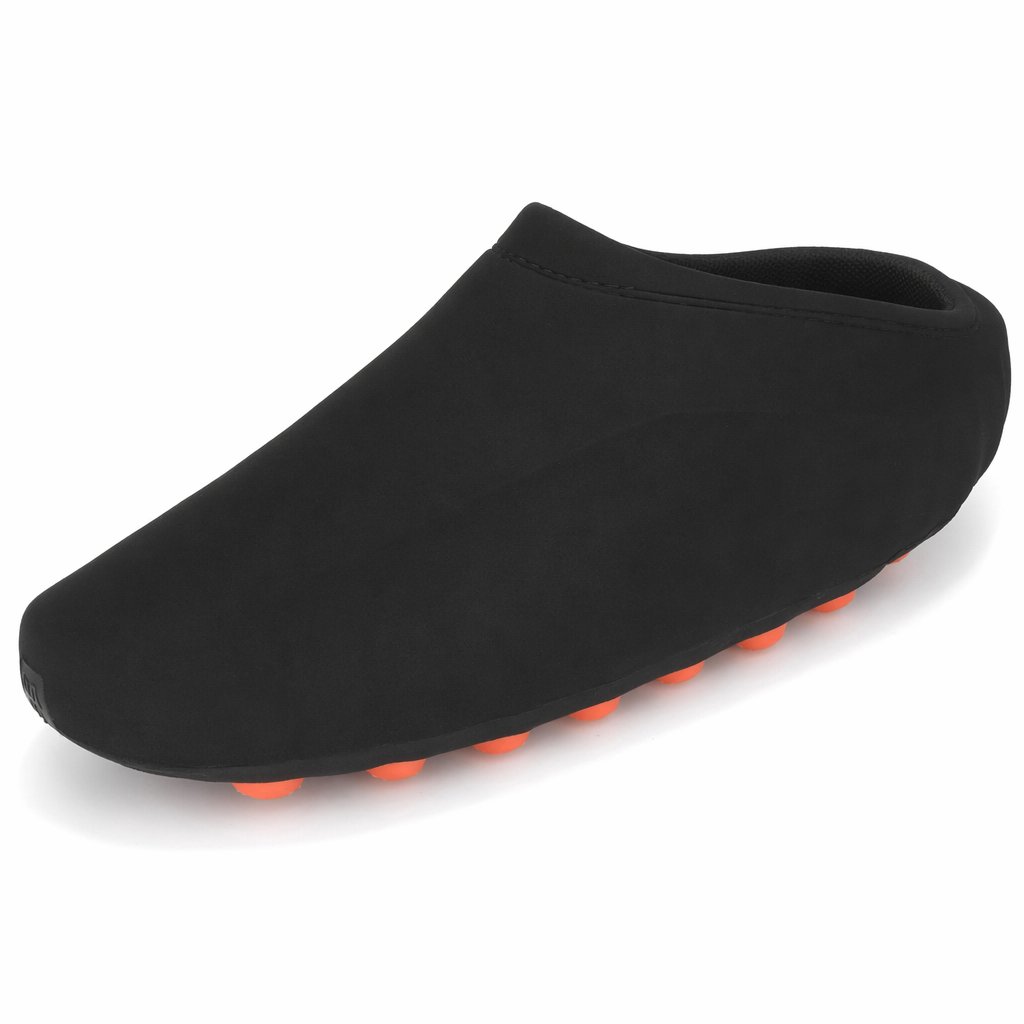
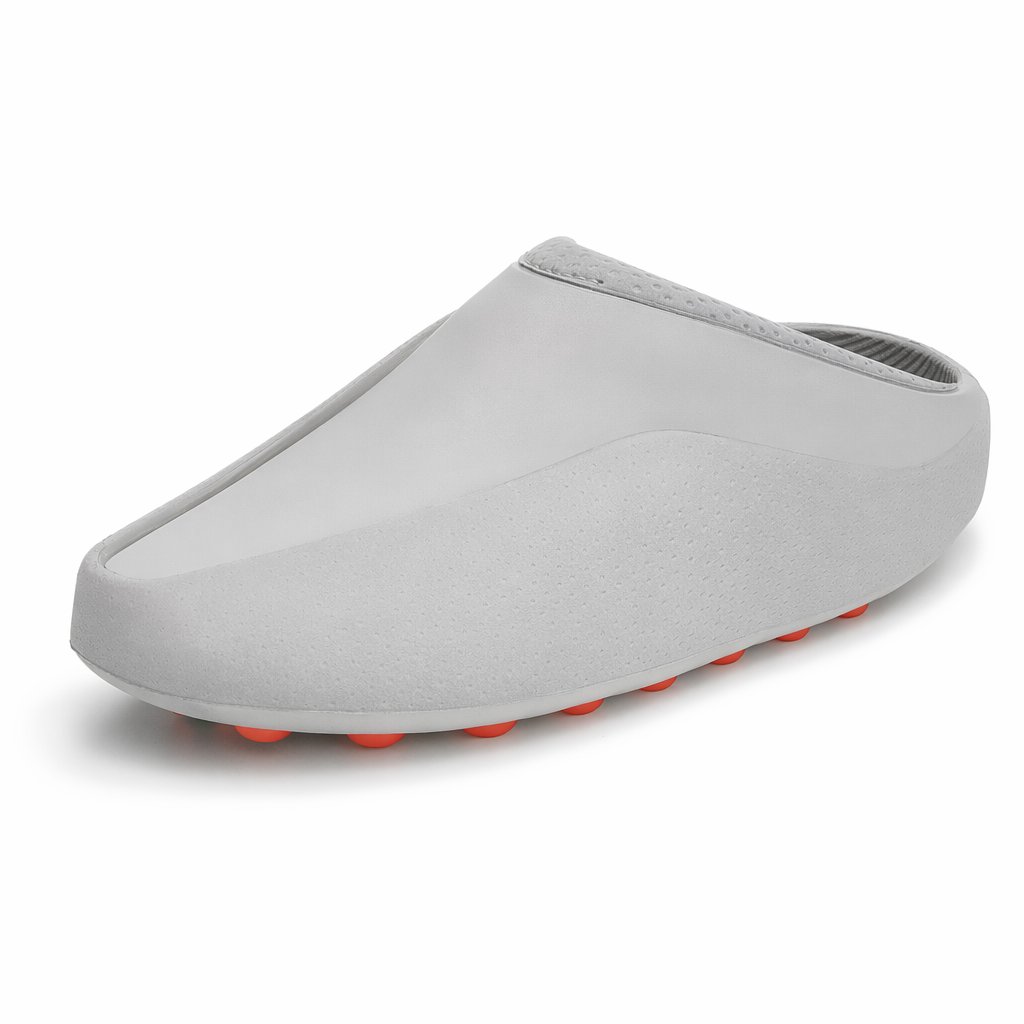
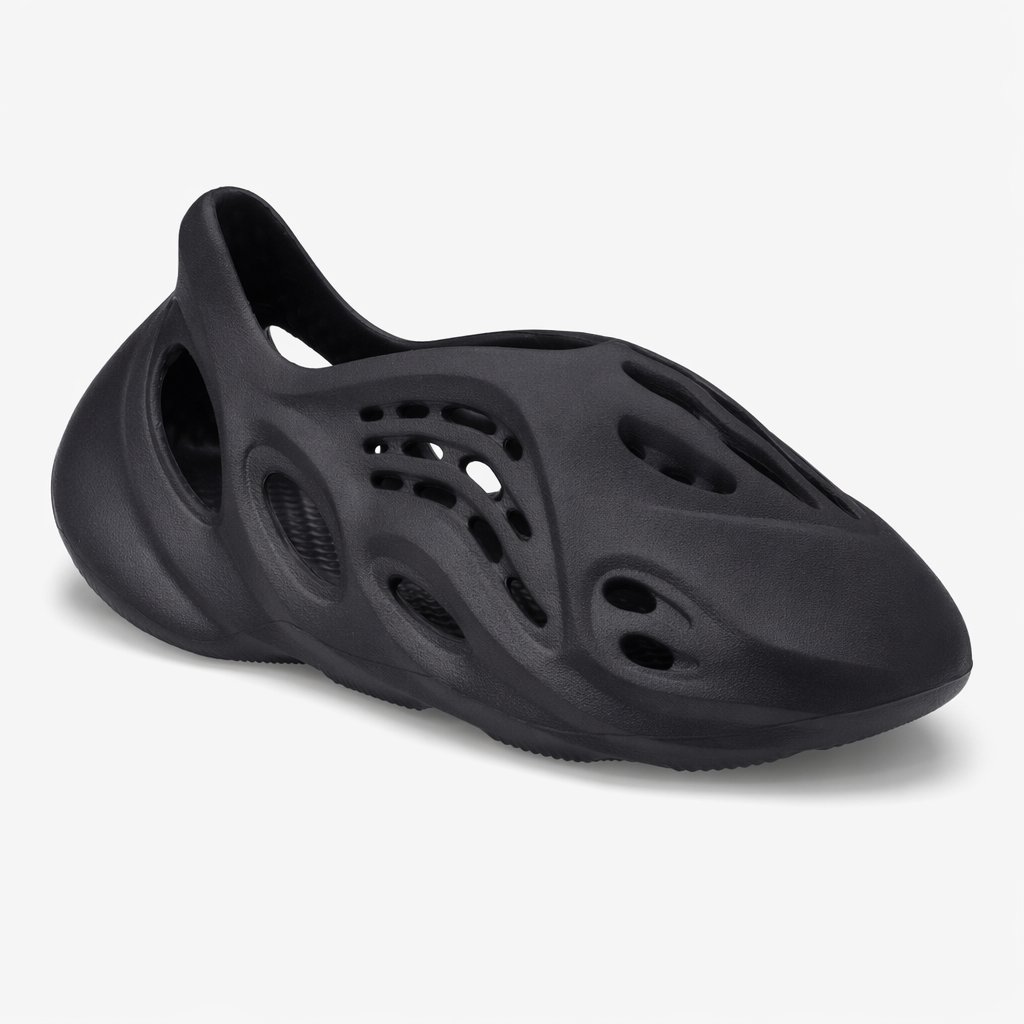
- Shock absorption. A thick foam footbed softens each heel strike, which is exactly what an inflamed heel wants.
- No toe-gripping. A wide over-foot strap keeps the slide on without your toes clawing.
- A slight heel-to-toe drop. Many foam slides sit a little higher at the heel, which takes tension off the fascia (a flat sole stretches it more).
The honest caveat
Soft foam cushions but does not correct. It's not a rigid arch support or a medical orthotic. For many people with mild symptoms, a well-cushioned slide around the house is a genuine relief. For moderate to severe plantar fasciitis, you may need a firmer contoured footbed or a prescribed insole — and soft slides are best as your "off-duty" recovery shoe rather than your all-day walker.
What to look for
- Thick, soft-but-supportive foam — deep cushioning, not a thin flat sole.
- A contoured footbed that cradles the arch rather than a dead-flat plank.
- A secure over-foot strap so you're not gripping with your toes.
- A little heel height rather than zero-drop flat.
Cushioned foam slides tick the first three well, which is why they feel so much better than flip-flops after a long day on your feet. Check the size guide and pick a snug fit so your foot sits centered on the footbed.
FAQ
Are cushioned slides good for plantar fasciitis?
They help by cushioning the heel and removing toe-gripping, which relieves mild symptoms. They cushion rather than correct, so severe cases may need a firmer orthotic or contoured insole.
Are flat flip-flops bad for plantar fasciitis?
Generally yes — thin, hard, flat soles give no support and make your toes grip to hold them on, which aggravates heel and arch pain. A thick cushioned slide is a better choice.
Should slides for heel pain have arch support?
A contoured footbed that cradles the arch helps more than a dead-flat sole. Soft foam slides offer gentle contour and cushioning; for strong corrective support, add a prescribed insole.
Can I wear cushioned slides all day for foot pain?
They're best as a recovery and around-the-house shoe. For all-day walking with foot pain, a structured shoe with firmer support is usually the safer choice.