Are Foam Runners Comfortable? An Honest Take After the Hype
Yes — for what they're designed for, molded foam clog runners are genuinely comfortable. But they're a specific kind of comfortable, and people who buy them expecting a do-everything sneaker tend to be the ones leaving disappointed reviews. Here's the honest breakdown.
Why they feel so good (at first slip-on)
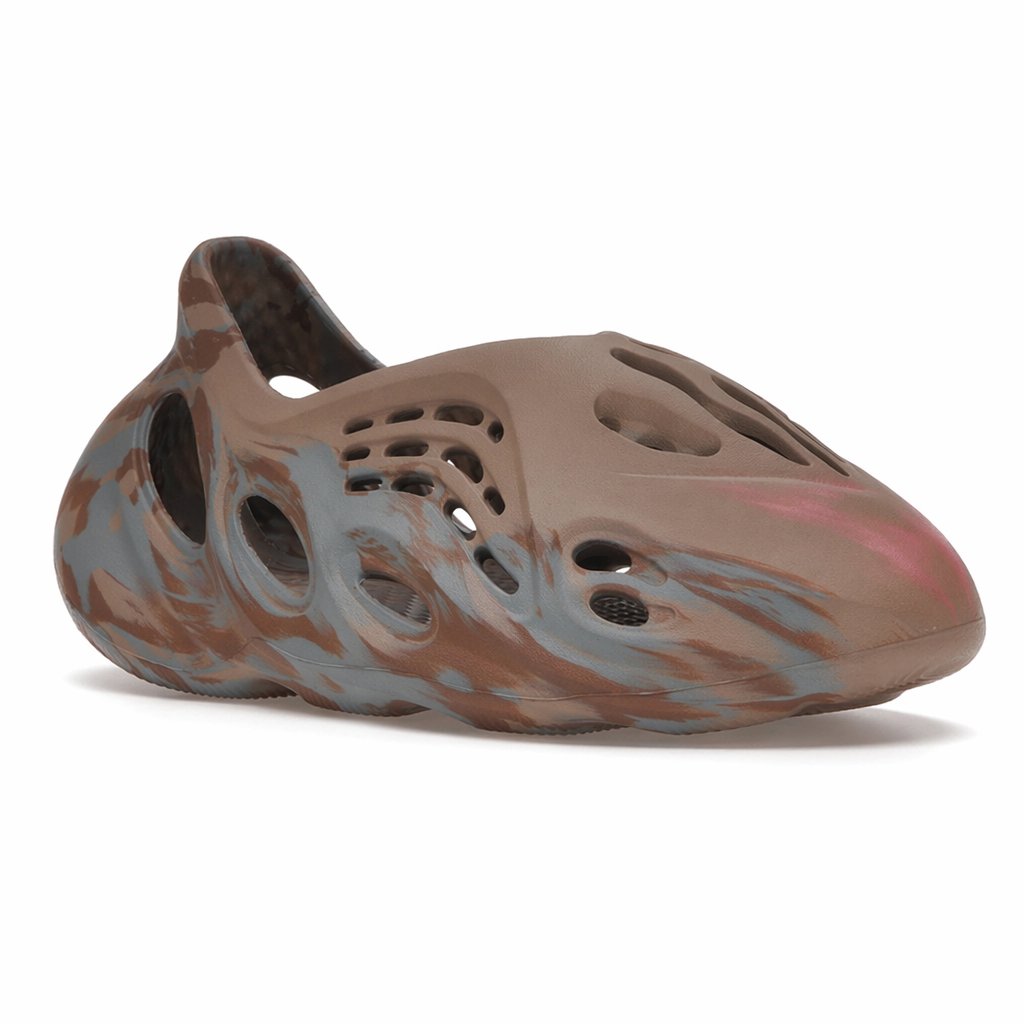
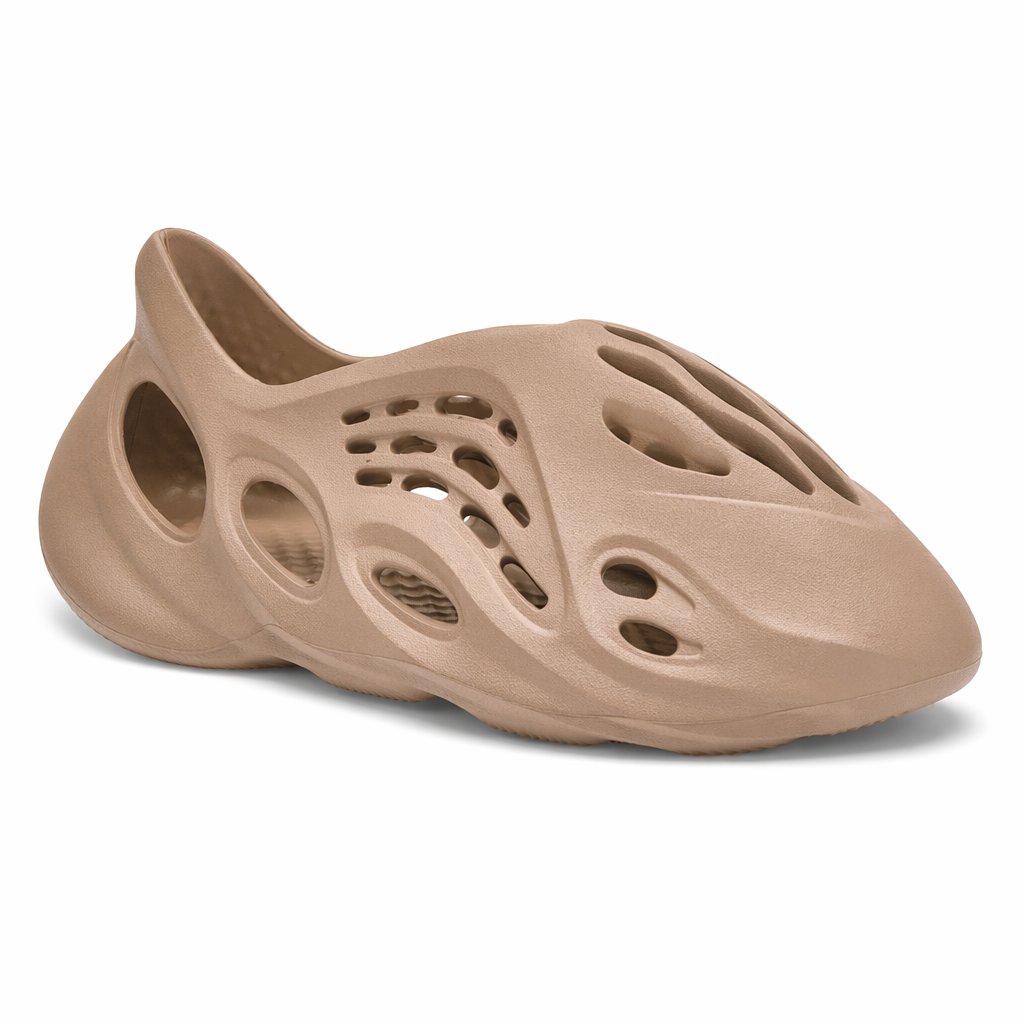
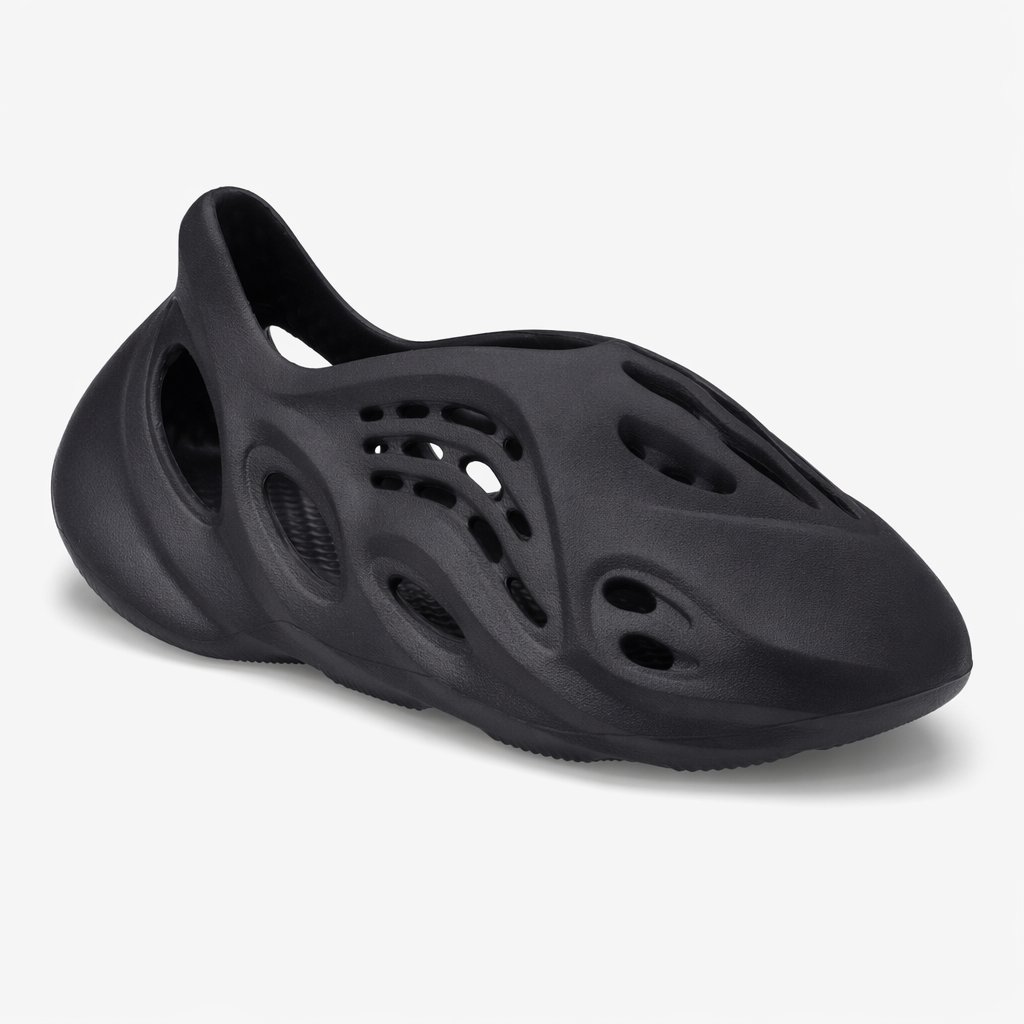
- One-piece cushioning underfoot. The entire shoe is midsole. Every step lands on soft EVA foam, with no stiff board or thin insole between you and it.
- Nothing presses anywhere. No laces, no tongue, no seams. If regular sneakers leave pressure marks on the top of your feet, the sensation of a foam clog is a small revelation.
- Barefoot-friendly. The smooth molded interior is designed for sockless wear, and the side ports actually move air — feet stay cooler than in a closed sneaker.
- Featherweight. There's so little material that your legs barely register them.
Where the comfort story breaks down
- Long distances. Soft foam with no structure means your foot does the stabilizing. Comfortable for errands and casual days; tiring after several miles. For real walking days, structured cushioning wins — see best sneakers for all-day walking.
- Wet smooth floors. The molded sole grips fine on pavement but can feel skatey on wet tile or polished floors.
- Hot direct sun. Dark colorways in summer sun warm up noticeably. Ventilation helps, but foam holds heat.
- The fit is take-it-or-leave-it. No laces means no adjustment. If the size is wrong for your foot shape, there's nothing to tighten or loosen — sizing is the whole game (covered in the foam runner sizing guide).
Foot shapes that love them — and ones that don't
Wide feet and high insteps generally do well: the rounded toe box is roomy and there's no lacing to bite the instep. Narrow feet sometimes swim in them, especially in the heel, and very flat feet may miss having real arch structure on longer wears.
If you're between sizes, most people are happier a size down — the foam gives a little, and a loose foam clog feels sloppy fast.
So who should actually buy them?
People who want a slip-on for short-radius life: school runs, errands, the office on casual days, travel days, post-gym, around the house. In that lane they're arguably the most comfortable thing you can put on. People who need one pair of shoes for 15,000-step days should look at structured runners instead.
FAQ
Are foam runners comfortable for walking?
For casual walking and errands, very. For long distances, the lack of structure makes them more tiring than a proper cushioned sneaker.
Are foam runners comfortable without socks?
Yes — the smooth molded interior is designed for barefoot wear, and the ventilation ports keep airflow moving. Rinse the footbed regularly if you wear them sockless.
Do foam runners have arch support?
There's a gentle molded contour, but it's comfort shaping, not corrective support. If you need real arch support, these aren't a substitute for it.
Do foam runners get more comfortable over time?
Slightly — the foam relaxes and conforms a little with wear. But there's no meaningful break-in: if they're uncomfortable in the first week, it's the wrong size or the wrong shoe for your foot.