Designer Shoulder Bag Care: Keep Leather and Canvas Bags Looking New
A good shoulder bag ages in one of two ways: gracefully, into a soft patina — or badly, into cracked corners, dye transfer, and a warped shape. The difference is mostly habits, not products. Here's the care routine that keeps a bag you love in service for years, organized by what the bag is made of.
Daily habits that matter more than any cleaner
- Keep it off the floor. Floors, café chairs, car footwells — that's where corners scuff and bases pick up grime. Hang it or set it on your lap.
- Watch dye transfer. New dark denim against a light leather or canvas bag will transfer color, and it's one of the hardest stains to reverse. Light-colored bags and raw denim don't mix.
- Don't overfill. A stretched bag never fully springs back. Straps and stitching carry the strain first.
- Rotate. Wearing one bag daily concentrates strap wear on one set of hardware and one shoulder line. Even a two-bag rotation halves the aging.
Leather bags
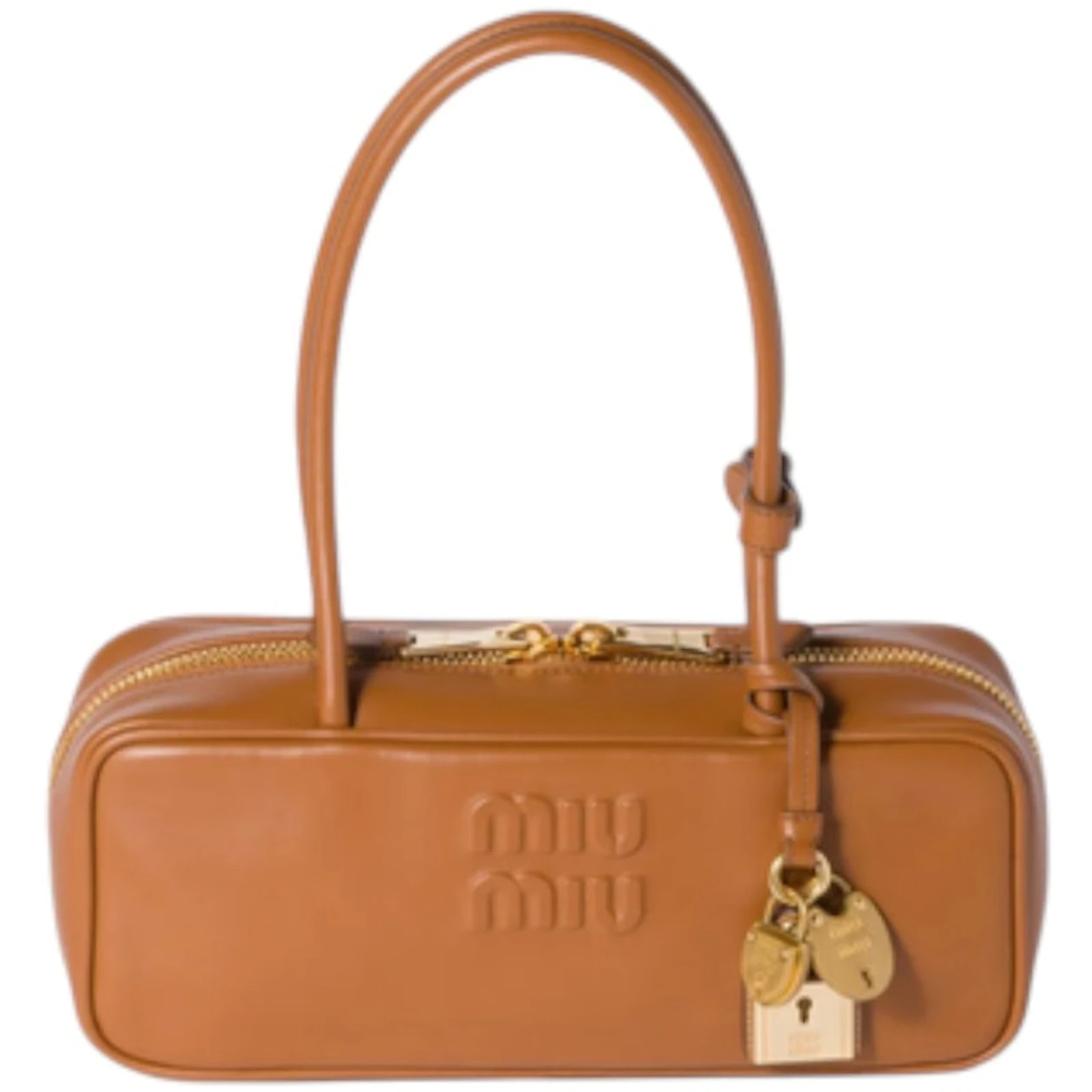
Wipe weekly with a barely-damp soft cloth, then dry cloth. Every few months, apply a small amount of neutral leather conditioner with a soft cloth, test first on the base or another hidden spot, and buff off. Conditioner keeps the hide from drying and cracking; too much of it darkens leather and attracts dust — less is more.
Rain isn't fatal, but blot water immediately (never rub) and let the bag dry naturally away from heaters. Heat-dried leather stiffens and cracks.
Coated canvas bags
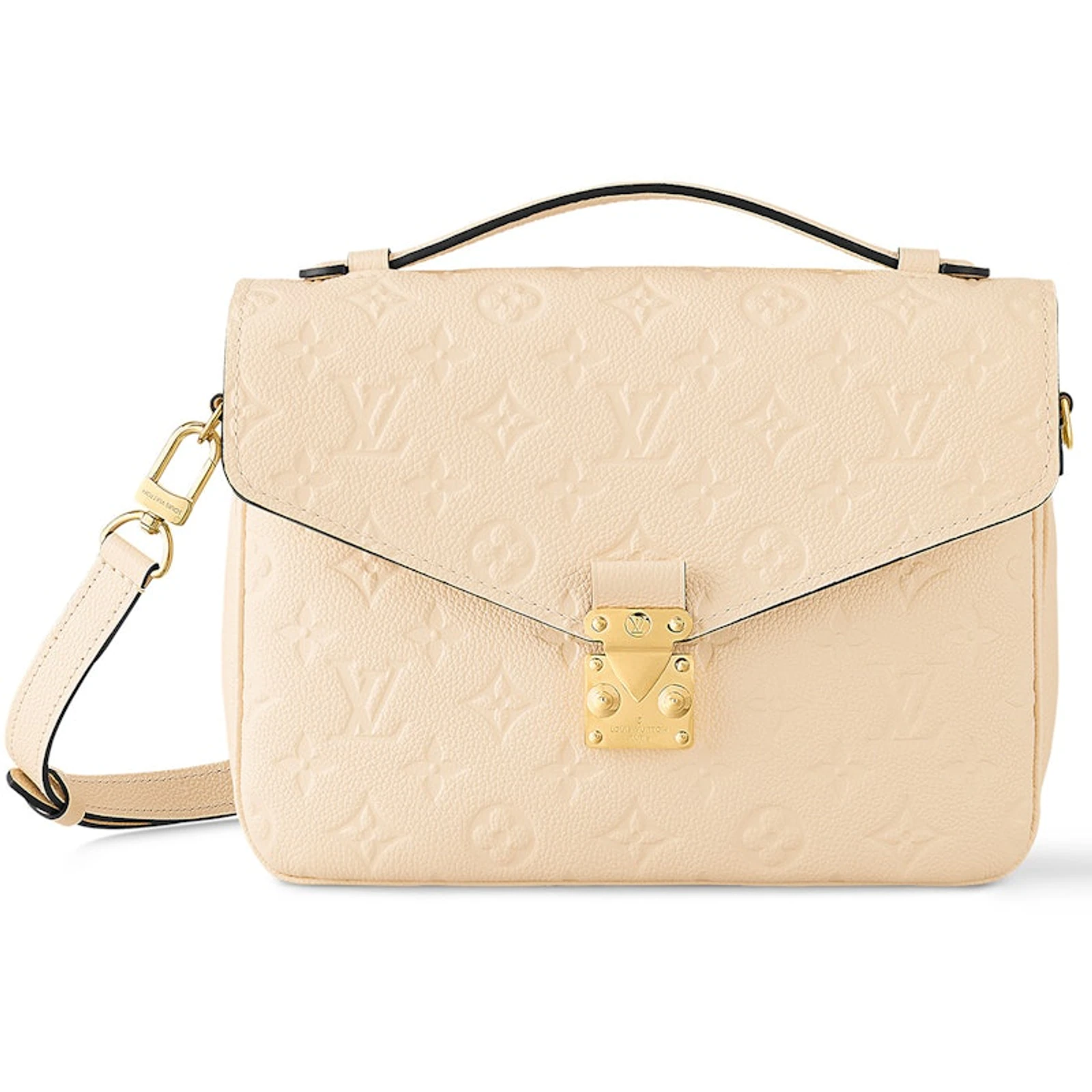
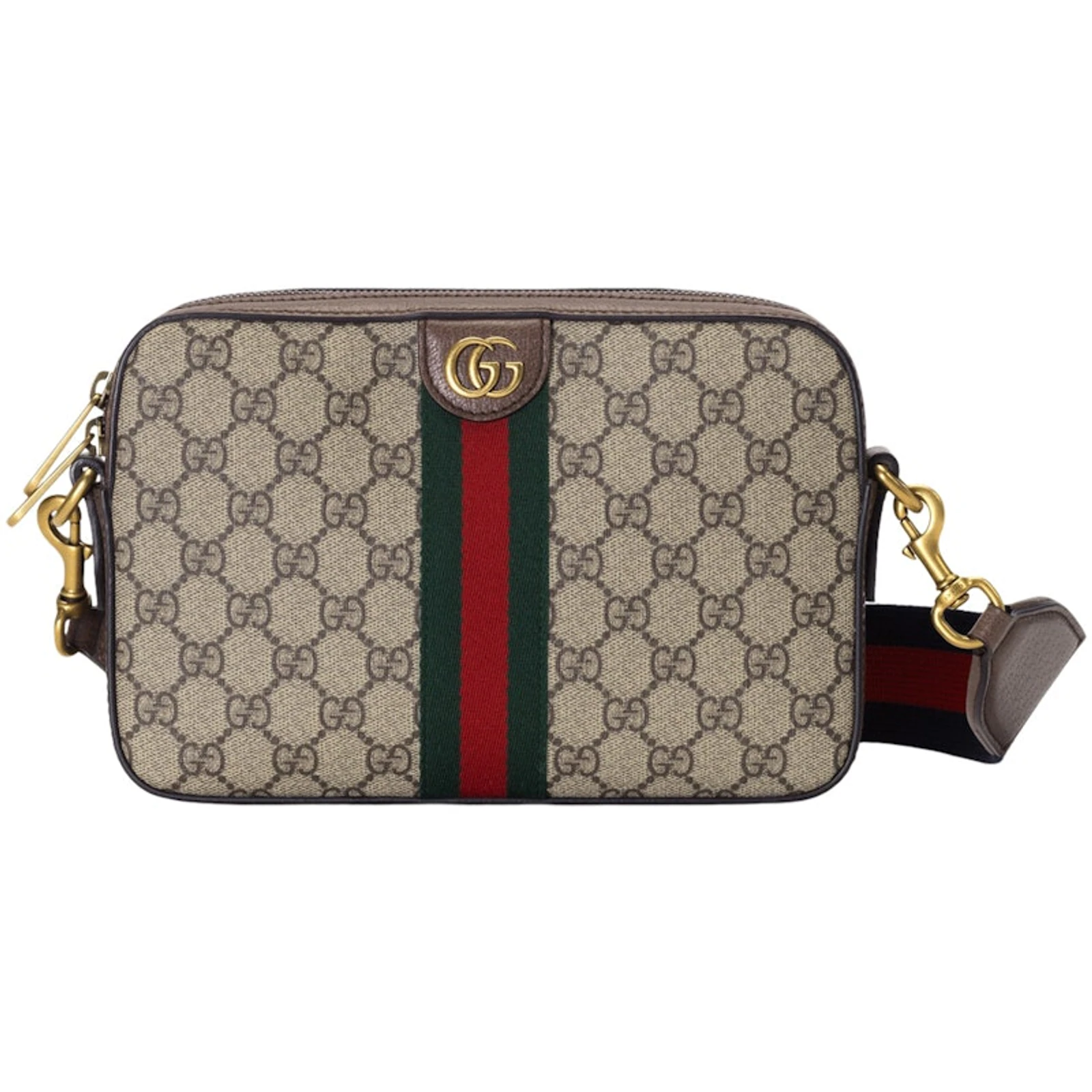
Coated canvas — the printed, slightly glossy material many classic shoulder bags use — is the easiest to live with: wipe with a soft damp cloth and mild soap, then dry. The vulnerable parts are the leather trim and straps, which are often untreated natural leather that darkens with handling and water. Handle with clean hands, and treat the trim like the leather section above, not like the canvas.
Suede bags
Suede wants dry care: brush with a suede brush in one direction to lift the nap, and use a suede eraser on marks. Keep it out of rain entirely — water flattens nap and leaves rings. A suede protector spray at the start of each season is the one preventive product genuinely worth it.
Storage between wears
- Empty the bag, blot the interior with a dry cloth, and let it air a day.
- Stuff lightly with acid-free paper (not newspaper — ink transfers) to hold the shape.
- Store in its dust bag or a breathable cotton pillowcase — never a sealed plastic bag, which traps humidity and grows mold on leather.
- Cool, dry, dark shelf; straps tucked inside or laid flat so they don't crease.
- Chain straps: detach or wrap them so metal doesn't sit against leather long-term and imprint.
What never to do
Baby wipes, alcohol wipes, and all-purpose sprays strip leather finishes. Hair dryers and radiators crack hides. DIY dye jobs and nail-polish-remover "spot fixes" end bags. If a stain matters — ink, oil, dye transfer on a bag you care about — a professional leather cleaner is cheaper than a replacement.
FAQ
How often should you condition a leather bag?
Every three to six months with a neutral conditioner, sparingly applied and buffed off. Condition more only if the bag lives in a dry climate or feels dry to the touch.
How do you get stains out of coated canvas?
Most marks wipe off coated canvas with a damp cloth and a drop of mild soap. Work quickly on ink and dye transfer — once they migrate into the coating they're a professional job.
Can you fix water stains on a leather bag?
Light rings often even out: dampen the whole panel slightly with a wrung-out cloth so it dries uniformly, then condition once fully dry. Deep staining or suede water marks need professional care.
How do you store a shoulder bag long term?
Empty, aired, lightly stuffed with acid-free paper, inside a breathable dust bag, on a cool dark shelf. Check it every few months and let it breathe for an hour.