How Should Running Shoes Fit? The Checklist That Prevents Regret
Most running shoe regret is fit regret. The shoe wasn't bad — it was half a size small, and every long walk or run turned into a toenail negotiation. Running shoes fit differently from casual shoes on purpose, and once you know the checklist, you can size any pair confidently, including retro runners you wear casually.
The three-point checklist
1. A thumb's width in front of your longest toe.
Feet lengthen when they load and swell during long activity. That empty-looking space is working room, not wasted size. Note "longest toe" — for many people that's the second toe, not the big one.
2. A locked heel.
Your heel should not lift when you walk or climb stairs. Slipping heels cause blisters and make you claw with your toes. If the length is right but the heel lifts, try a runner's loop with the extra eyelet before giving up on the shoe.
3. A snug — not tight — midfoot.
The lacing panel should hold your midfoot like a firm handshake. If you have to crank laces to feel secure, the shoe is too wide or too high-volume for you; if the panel gapes and the sides press, too narrow.
Width matters as much as length: if your foot spills over the edge of the footbed, no length change fixes that — you need a wider fit, not a longer shoe.
Why your running size is usually a half size up
Compare against your dress-shoe or casual-sneaker size and most people land a half size larger in running shoes. That's expected. Between-brand drift is real too — trust your foot length in centimeters over the number on the box. Measure both feet against a wall in the afternoon (feet are bigger by then), use the larger foot, and cross-check the size guide.
Fit myths worth ignoring
- "They'll stretch." Mesh relaxes slightly; length and the underfoot shape never change. Buy the fit you want on day one.
- "Snug everywhere = supportive." Tight toe boxes don't support anything; they just compress toes. Support comes from heel and midfoot hold.
- "Everyone should size up a full size." Volume-dependent. High-volume feet sometimes need it; most people need half.
Retro runners: same rules, one caveat
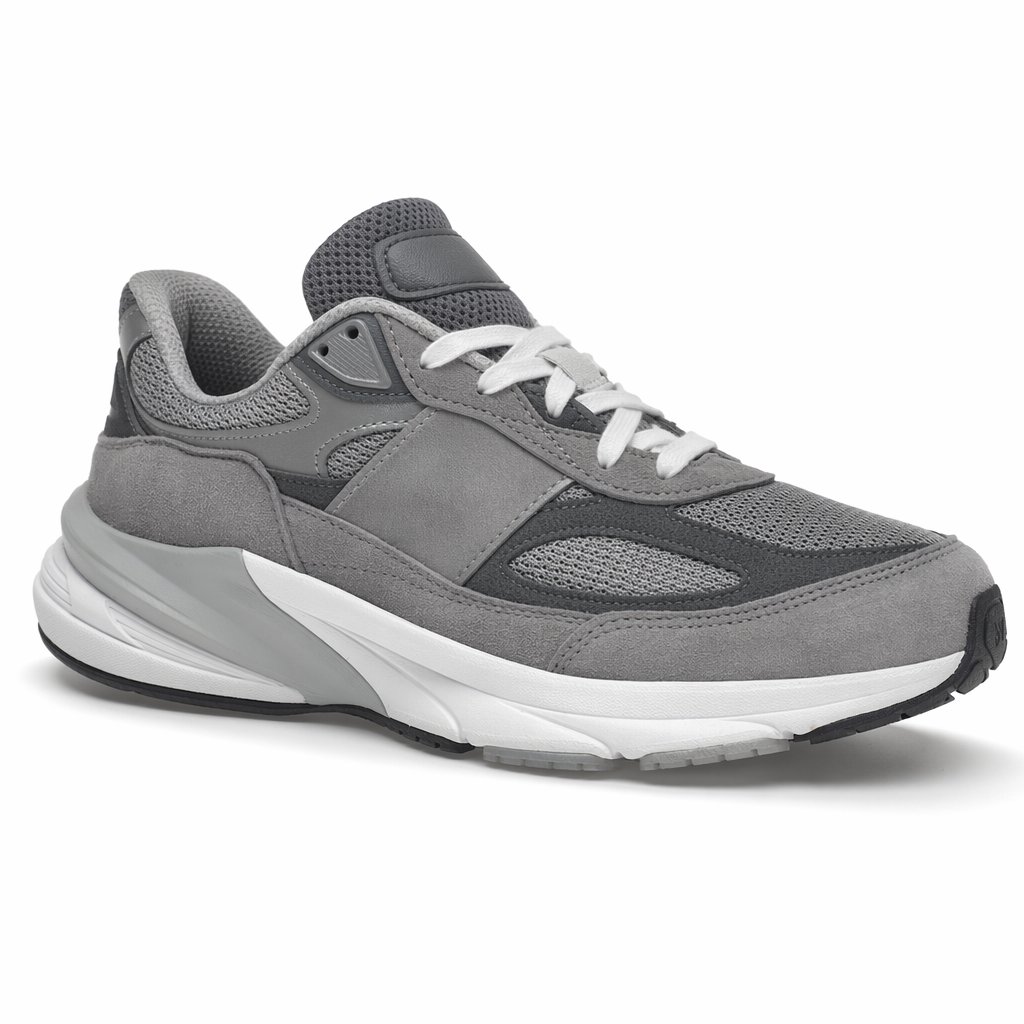
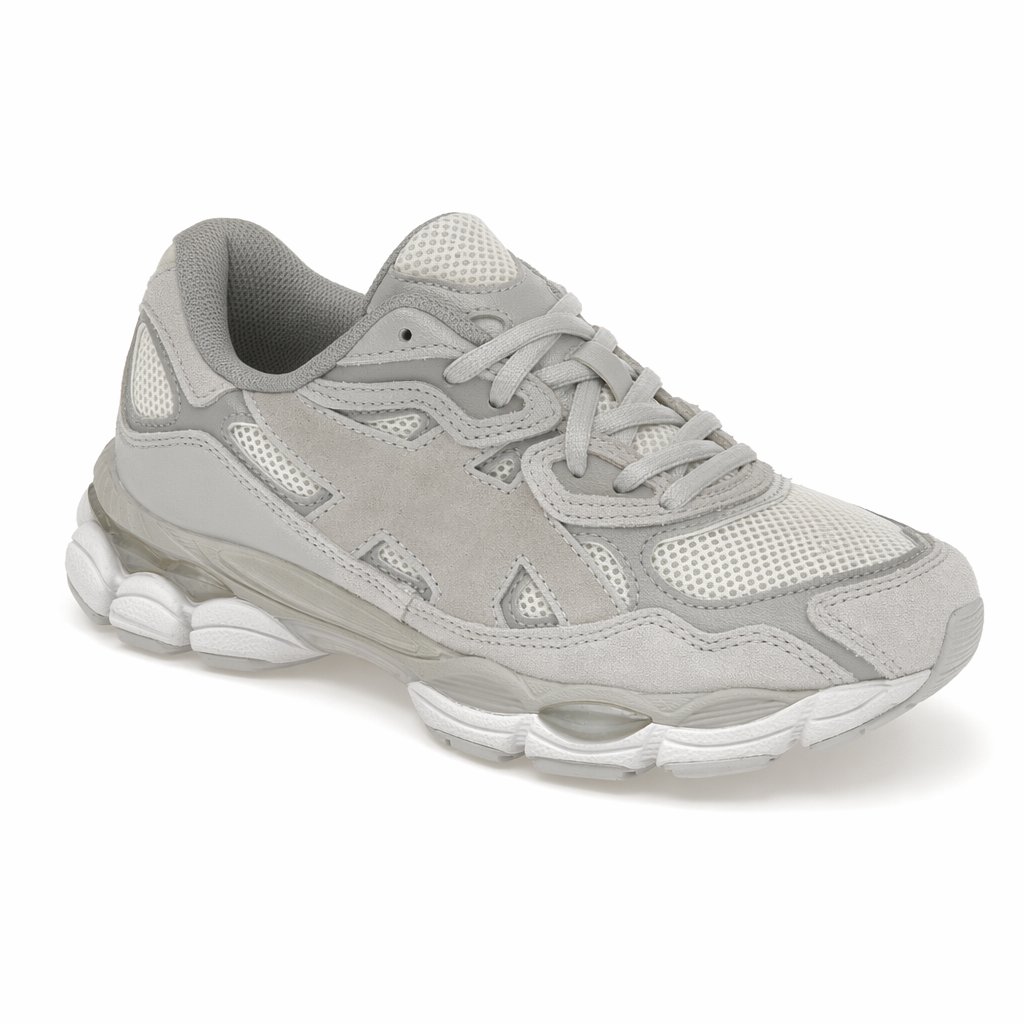
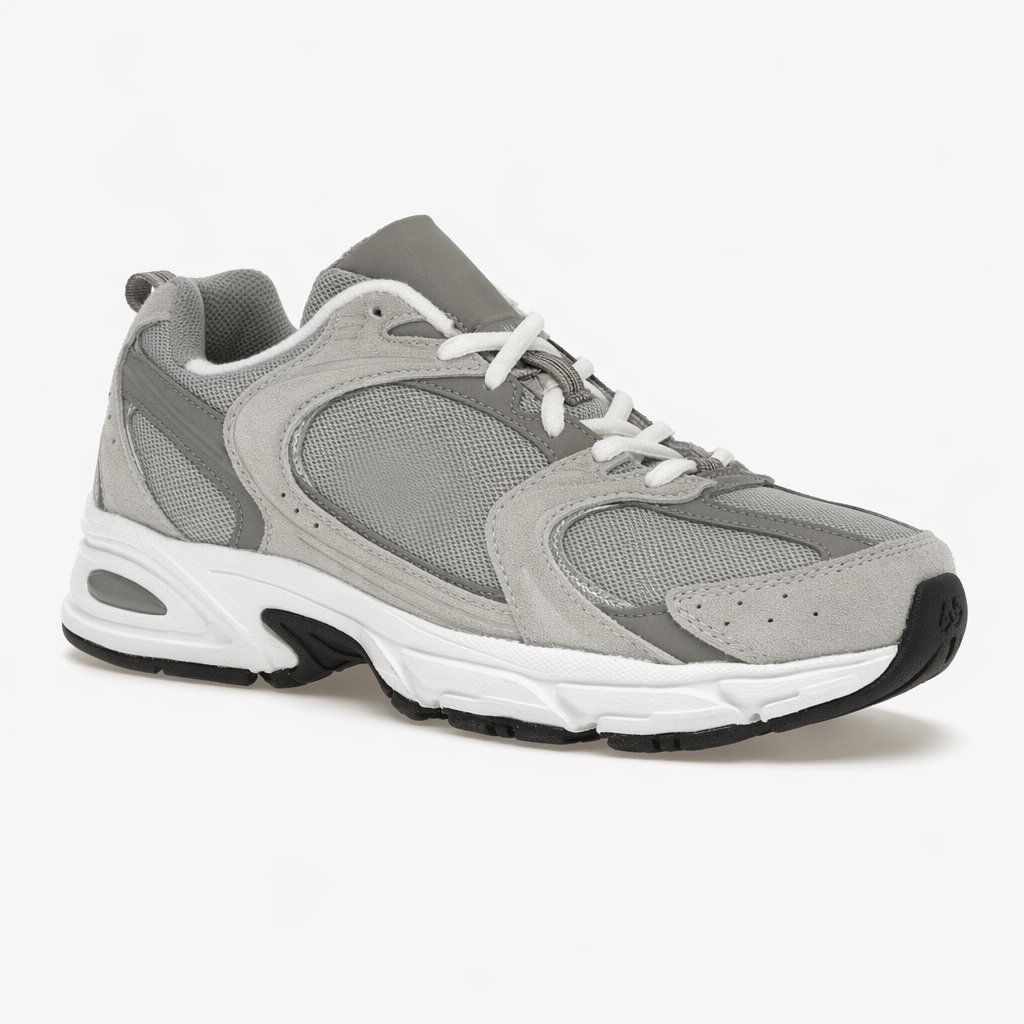
Retro and heritage runners worn casually follow the same checklist, but many older lasts run narrower in the toe box than modern trainers. If you're between sizes in a retro silhouette, the half size up is almost always the right call; if you're wide-footed, check whether the model comes in a wide fit before sizing up for width — length-for-width trades give you a sloppy heel.
When to re-check your size
Feet change: they lengthen and widen with age, weight change, and pregnancy. If your last measurement is more than a couple of years old, measure again before your next pair rather than reordering "your size."
FAQ
Should running shoes be a size bigger?
Usually a half size bigger than your casual-shoe size, enough for a thumb's width of toe room. A full size up only if your feet are high-volume or you're between sizes.
How much toe room should running shoes have?
About a thumb's width (roughly 1 cm) between your longest toe and the front of the shoe, measured standing.
Is heel slip normal in new running shoes?
A hint of movement in the first days can settle, but real heel lift is a fit failure. Try the runner's-loop lacing first; if it persists, the shoe doesn't match your heel shape.
How do I know if running shoes are too small?
Numb or tingling toes, black toenails after long days, pressure on the toe knuckles, or your toes touching the front when you stand. Any of these means go up in size or width.