How to Clean Foam Runners Without Wrecking Them
Molded foam clog runners are one of the easiest shoes to clean — they're a single piece of foam with no fabric, no glue seams, and no laces. They're also easy to ruin, because the two things people reach for first (hot water and strong cleaners) are exactly what damages EVA foam. Here's the safe routine.
What you need
- Lukewarm water (never hot)
- Mild soap — dish soap or laundry detergent, a small squeeze
- A soft brush or old toothbrush
- A microfiber cloth or old towel
That's it. Skip magic erasers, acetone, bleach, and alcohol-based cleaners — more on why below.
The 10-minute routine
- Knock off dry dirt first. Clap the shoes together and brush dry mud out of the side ports and tread while it's still dry. Wet mud smears; dry mud falls off.
- Mix lukewarm soapy water. A bowl with a squeeze of mild soap is plenty.
- Scrub gently with the soft brush. Work in small circles. The molded ports and the textured sole trap grime — angle the toothbrush into them.
- Rinse with clean lukewarm water. Inside and out. Soap residue left in the footbed gets slippery when you sweat.
- Towel off and air dry in the shade. Stuff nothing inside; foam holds no water. They'll be dry in a couple of hours indoors.
For everyday dust, you can shortcut the whole thing: rinse under the tap and wipe. Foam doesn't absorb water, which is most of why these shoes are so easy to live with.
The two mistakes that ruin foam
- Heat. Hot water, direct summer sun, radiators, hair dryers, and dishwashers (yes, people try) can warp EVA foam permanently. A warped foam runner doesn't recover — the mold shape is the shoe. Always lukewarm water, always shade drying.
- Harsh chemicals. Acetone, bleach, and strong solvents eat the foam surface, leaving pale rough patches. Magic erasers are micro-sandpaper — they "clean" by removing a layer of material, which dulls the finish. Mild soap really is enough.
Scuffs and stubborn stains
Light scuffs often come off with the soapy toothbrush and patience. For a mark that survives soap, try a paste of baking soda and water, rubbed gently and rinsed fully. Deep gouges are structural, not stains — nothing cleans those away.
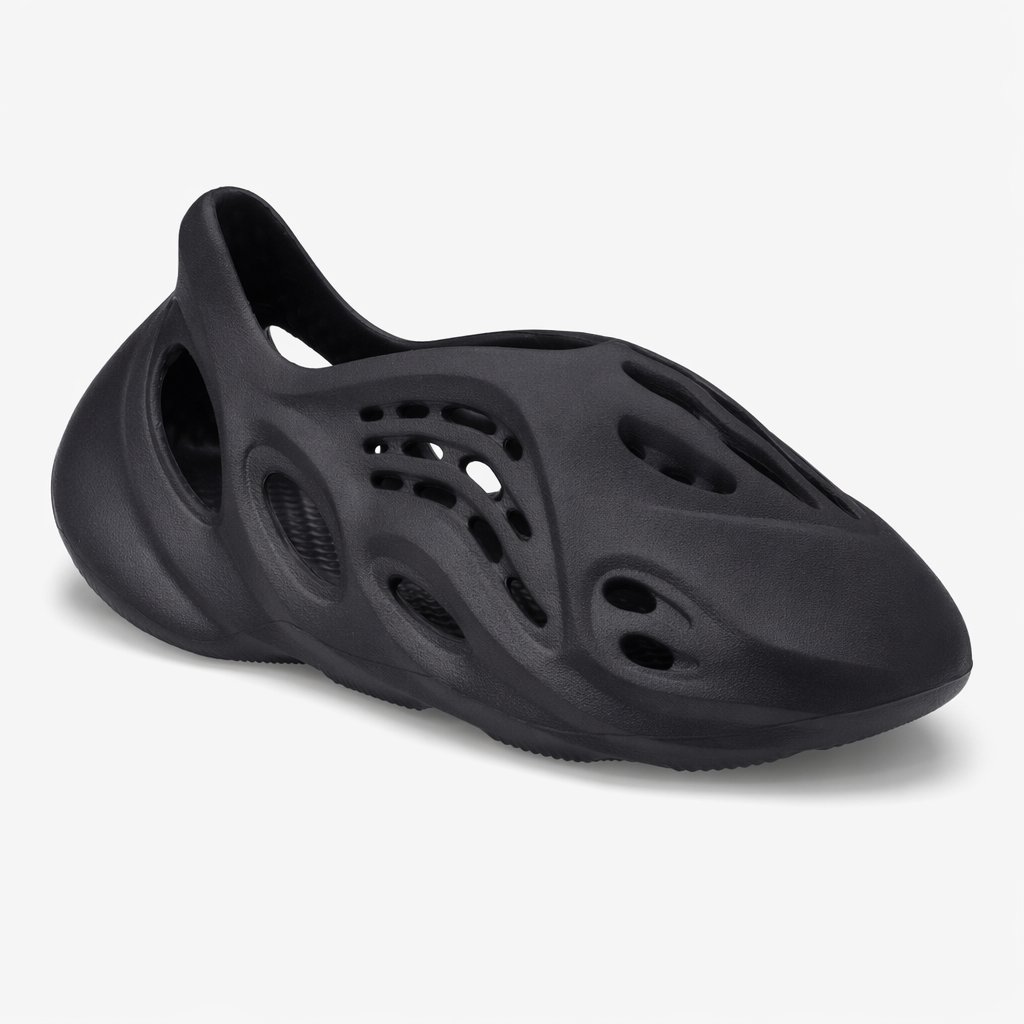
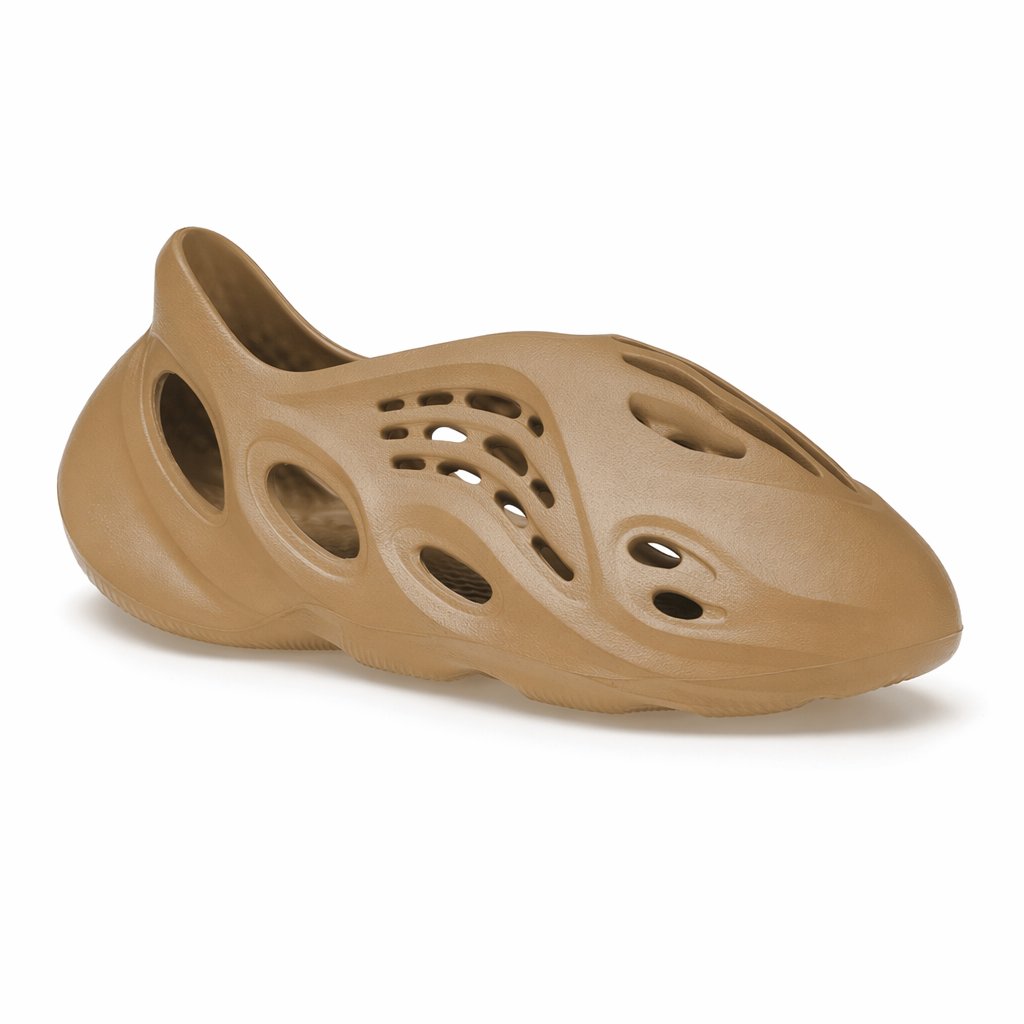
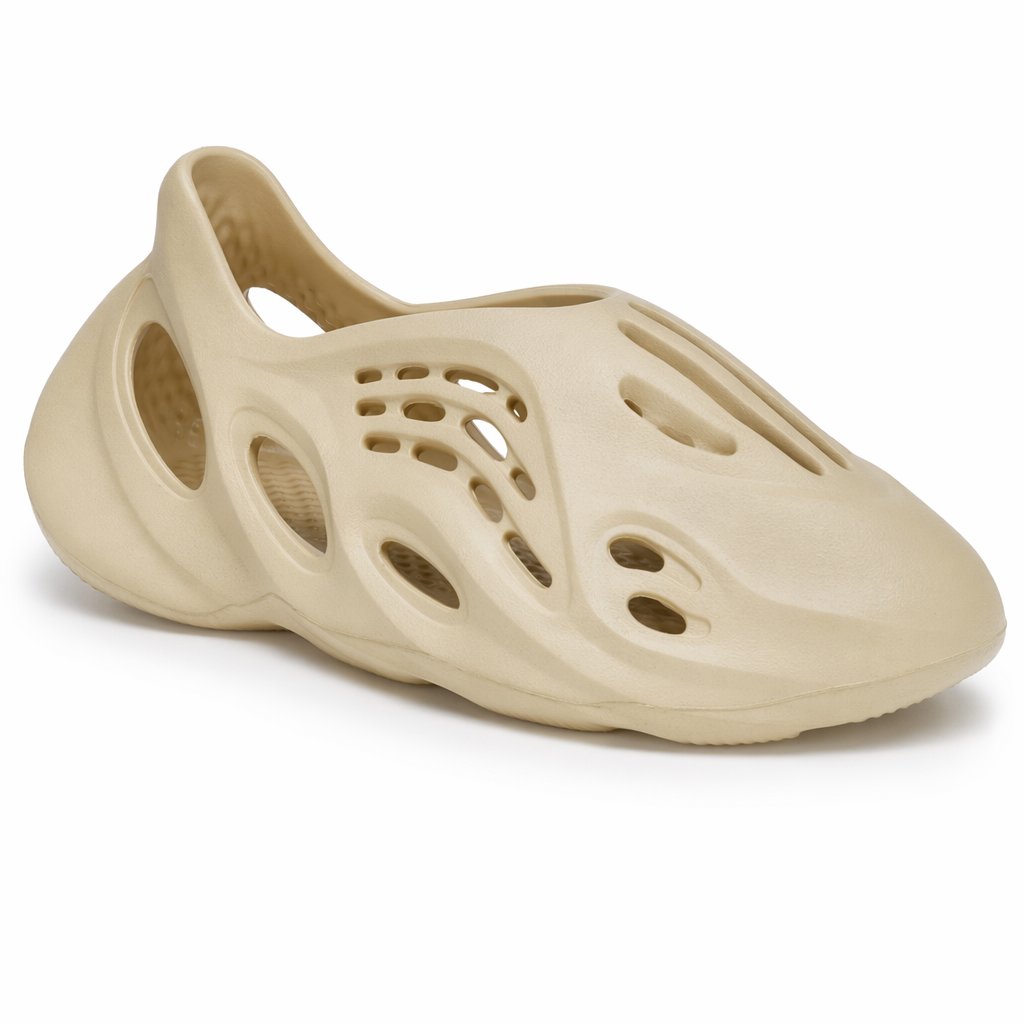
Lighter colorways (sand, bone, cream) show stains more and are worth cleaning promptly; on dark colorways most marks disappear with a rinse. If you're choosing between colors and hate maintenance, dark hides everything — see the foam runner sizing guide if you're still picking a pair.
How often?
Rinse when dirty, deep-clean when the footbed starts looking dull or feeling slick. For a shoe worn weekly, a monthly soap-and-brush session keeps them looking new.
FAQ
Can you put foam runners in the washing machine?
It's risky and unnecessary. Agitation can deform the foam and hot cycles will warp it. A five-minute hand wash with mild soap does a better job safely.
How do you get the smell out of foam runners?
Wash the footbed with soapy water, rinse well, and dry fully in the shade. For persistent smell, a light dusting of baking soda overnight (shaken out in the morning) helps. Smell usually means the footbed needed a rinse weeks ago — barefoot wear plus zero airflow is the cause.
Do foam runners turn yellow?
Light-colored EVA can discolor with long sun exposure. Store them out of direct sunlight and dry them in the shade after cleaning to keep the original color longest.
Can I use a magic eraser on foam runners?
Avoid it. Magic erasers are abrasive and remove a thin layer of the foam surface, dulling the finish. Mild soap and a soft brush handle almost every real-world stain.