Do Leather Slide Sandals Run Big or Small? A Sizing Guide
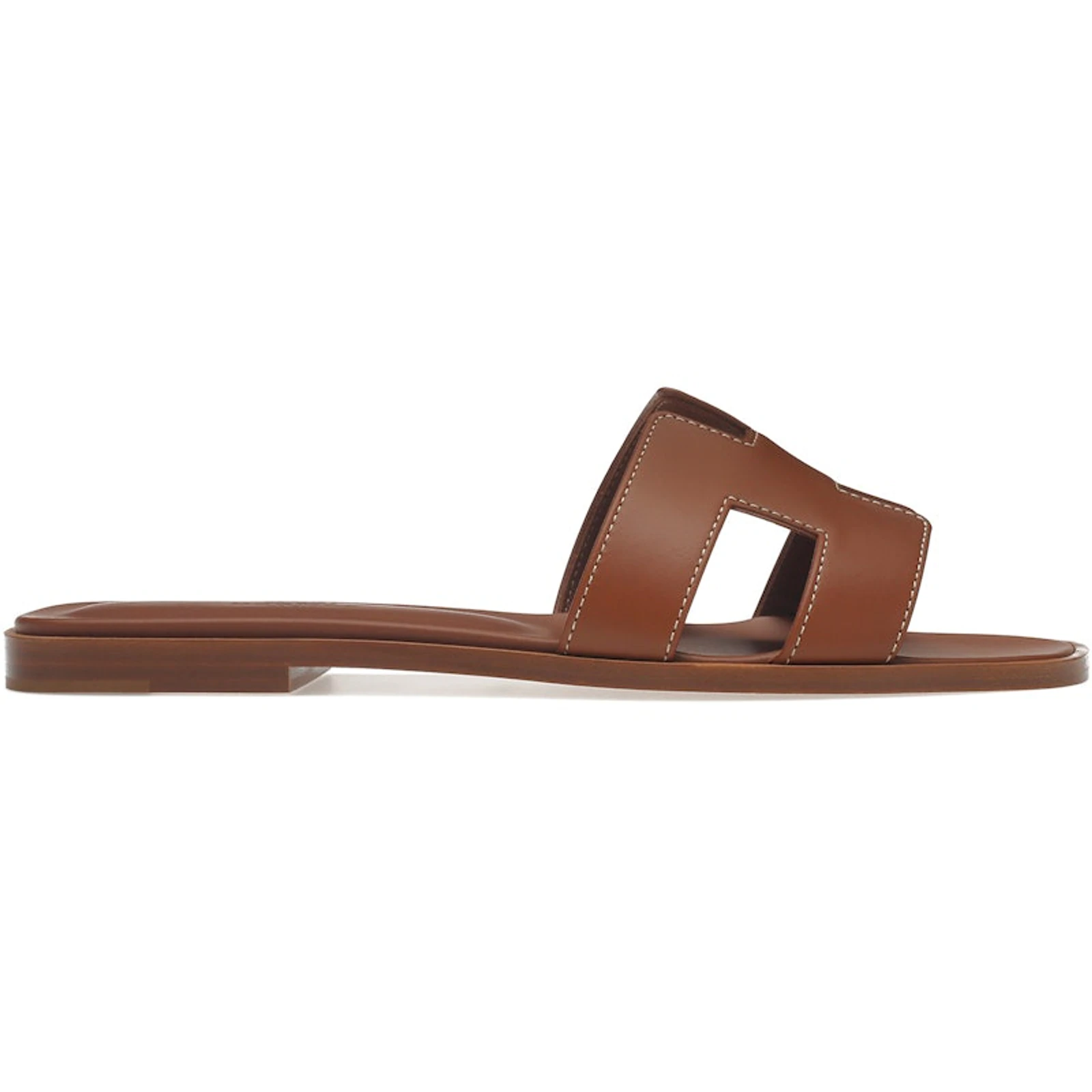
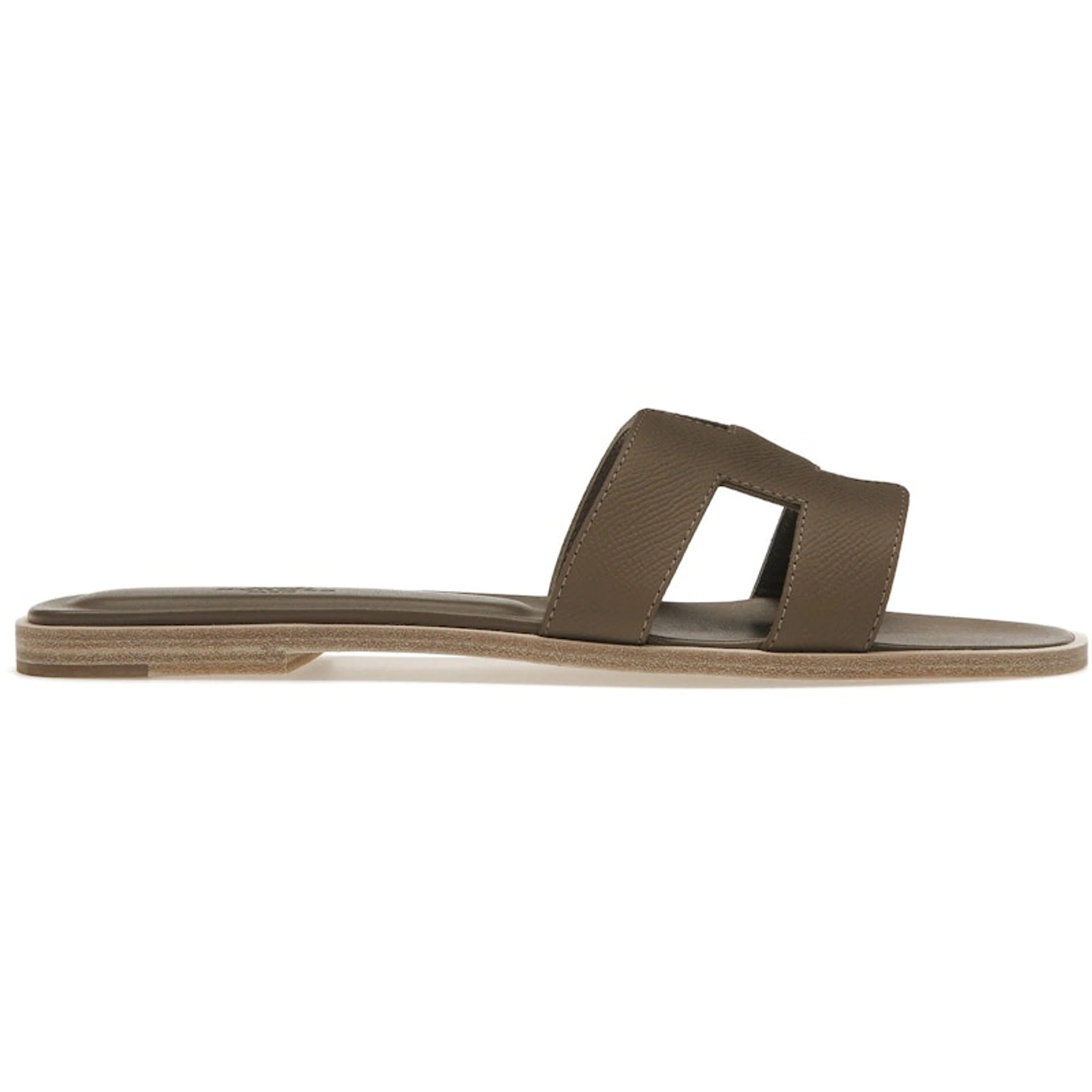
Leather slide sandals — the flat, minimal kind with one or two leather straps over the forefoot — are sized differently from sneakers, and getting it wrong shows: either your heel hangs off the back or the sandal slaps the floor with every step. Here's how they actually fit and how to choose.
The short answer
Most flat leather slides fit true to size or slightly small, and they fit differently rather than simply bigger or smaller. A sneaker hides half a size of error behind padding and laces; a slide has neither. If you're between sizes in a leather slide, go up, not down — a toe pressed against the front edge of a leather footbed is far more uncomfortable than a few millimeters of room at the heel.
Why slides feel different from your sneaker size
- No laces, no adjustment. The strap position is fixed. If the widest part of your foot doesn't land under the strap, the fit is wrong no matter what the number says.
- Flat leather footbed. There's no foam collapse or stretch-to-shape sole. The length you buy is the length you live with.
- Leather straps stretch slightly, lengths don't. Expect the strap to relax roughly a quarter size in width over the first weeks of wear. The footbed length never changes.
How the fit should look
Stand up in both sandals on a hard floor and check three points:
- Heel: the edge of your heel should sit just inside the footbed edge — flush is fine, overhanging is a size too small.
- Toes: you want 3–5 mm of leather visible in front of your longest toe. Toes at the very edge will creep over it as the strap relaxes.
- Strap: snug enough that the sandal lifts with your foot mid-step, without pressure marks across the top of the foot after ten minutes.
EU vs US sizing on sandals
Most leather slides are made on EU sizing, and EU sizes don't split into half sizes the way US sneaker sizes do. Convert your usual US size to EU, and if you land between two EU sizes, take the larger one. Measure your foot length in centimeters standing up (feet spread under load) and compare against our size guide — foot length in cm is more reliable than converting between size systems twice.
Wide feet, narrow feet
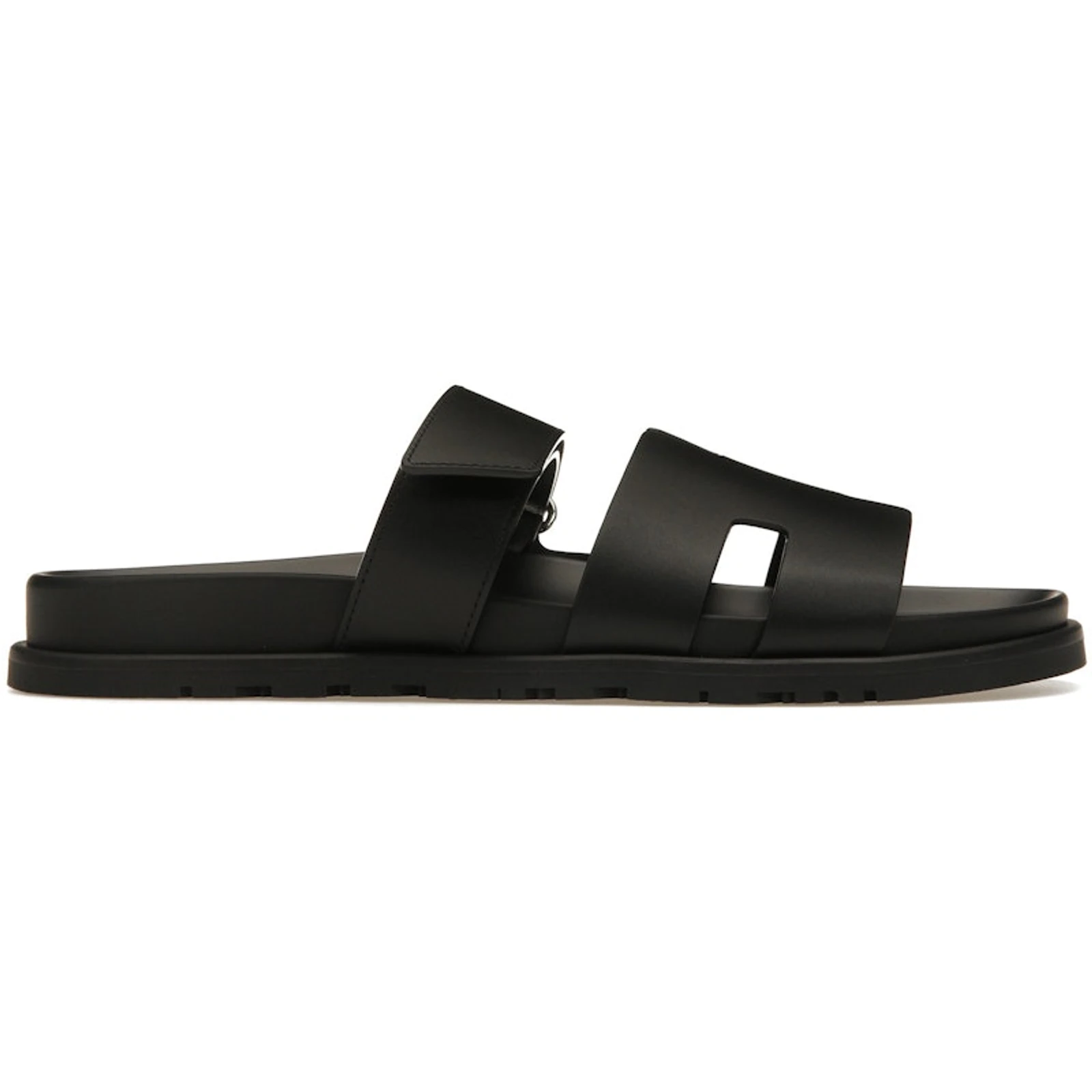
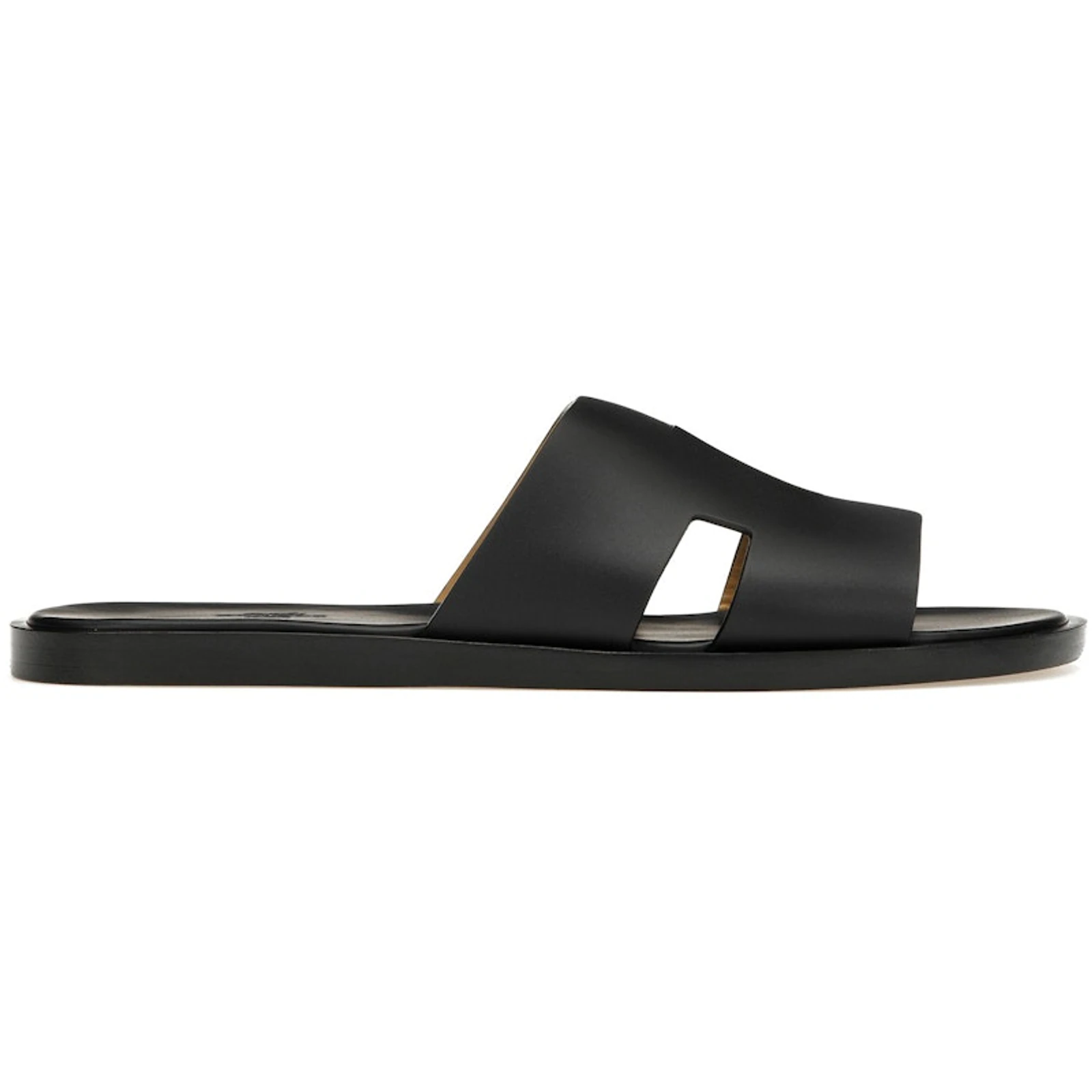
Wide feet do better in styles with a single broad strap — a wide cut across the forefoot gives the foot room to spread. Narrow feet get a more secure hold from two-strap or H-cut styles, which lock the midfoot down. If you're wide-footed and between sizes, going up one EU size adds width as well as length, which usually solves both problems at once.
FAQ
Do leather slide sandals run big or small?
Most run true to size to slightly small. Because there's no lacing to adjust, size up when you're between sizes — extra length at the heel is barely noticeable, but a cramped toe is unfixable.
Should sandals be the same size as my sneakers?
Use your sneaker size as a starting point, not the answer. Measure your foot in centimeters and match it to the sandal's EU size; sneaker sizing hides fit errors that sandals expose.
Will leather sandal straps stretch out?
The straps relax slightly — roughly a quarter size in width — over the first few weeks. The footbed length doesn't change, so never buy a short footbed expecting it to "break in."
How much toe room should a slide sandal have?
About 3–5 mm of footbed visible in front of your longest toe when standing. Your toes should never touch the front edge.